Dimethyl Carbonate (DMC)
Low-toxicity, readily biodegradable carbonate solvent and methylating intermediate for lithium battery electrolytes, eco coatings and fine chemical synthesis.
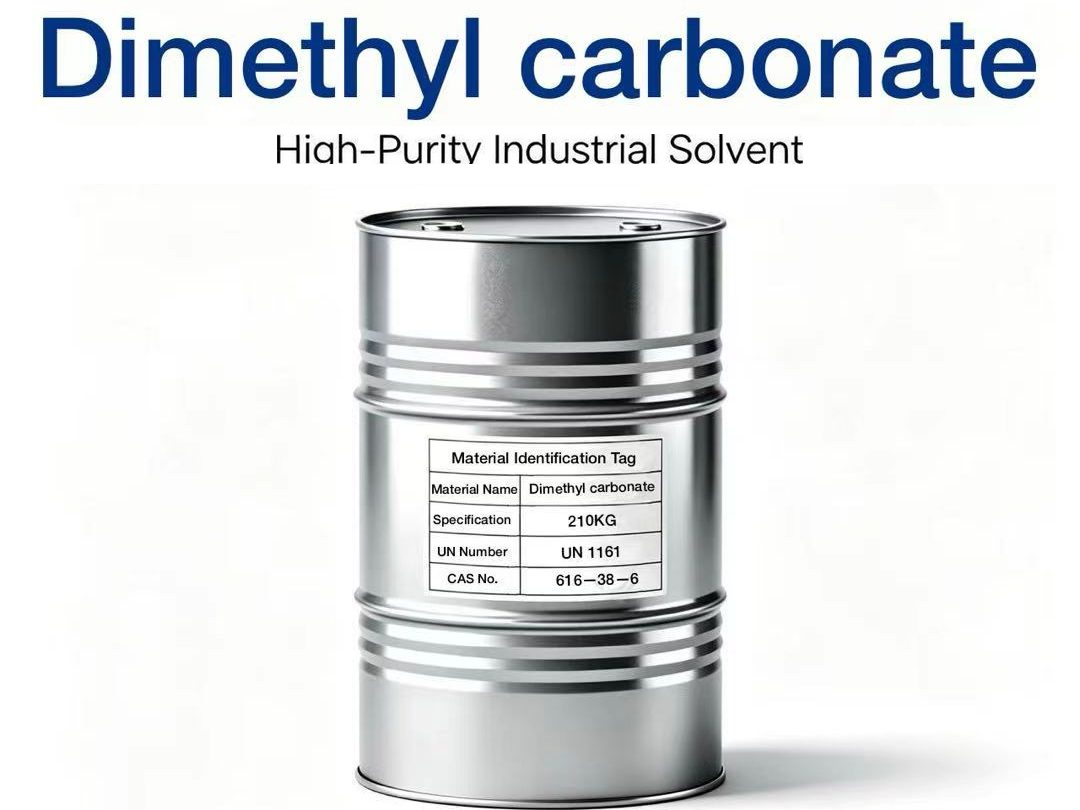
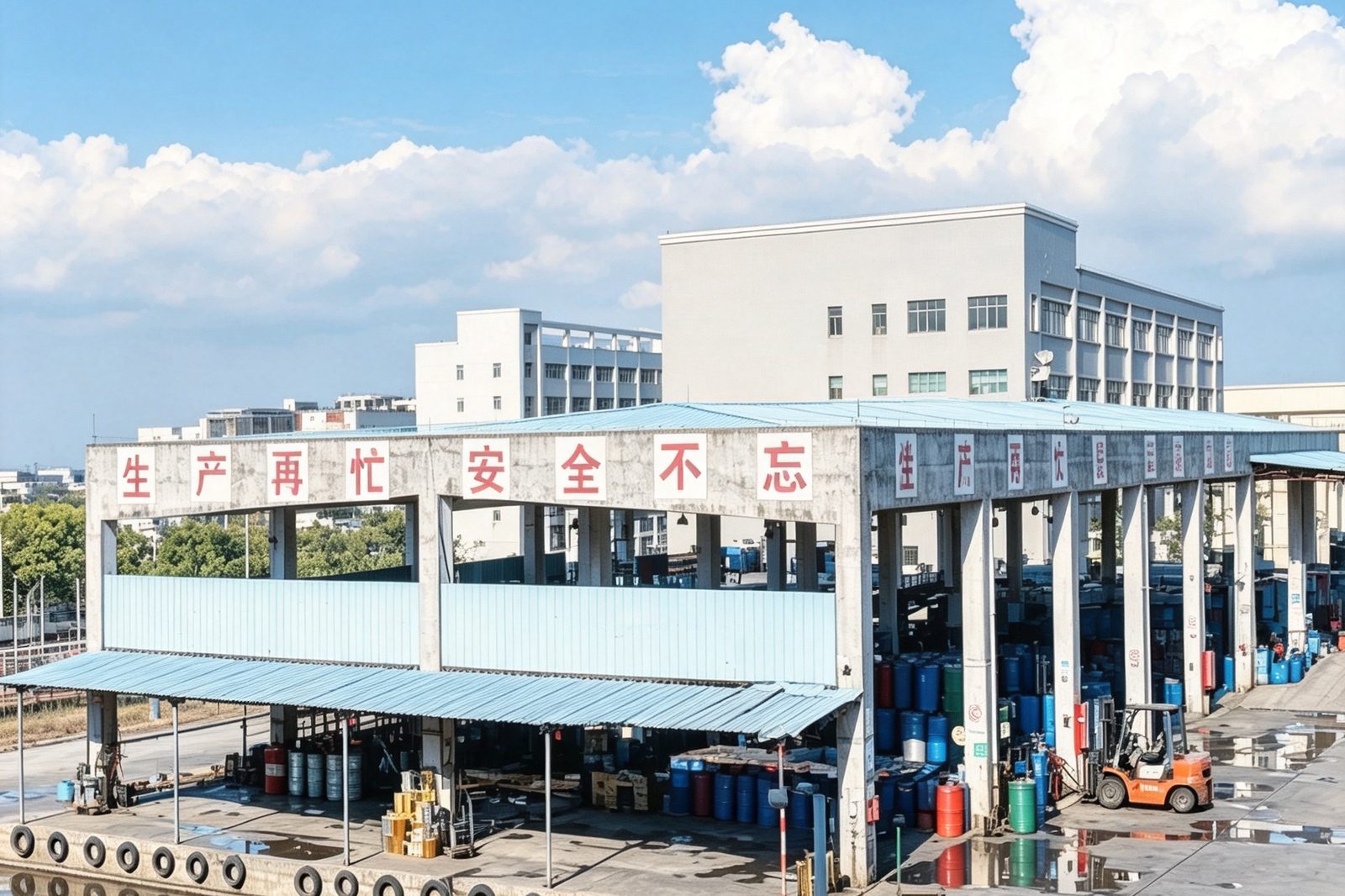
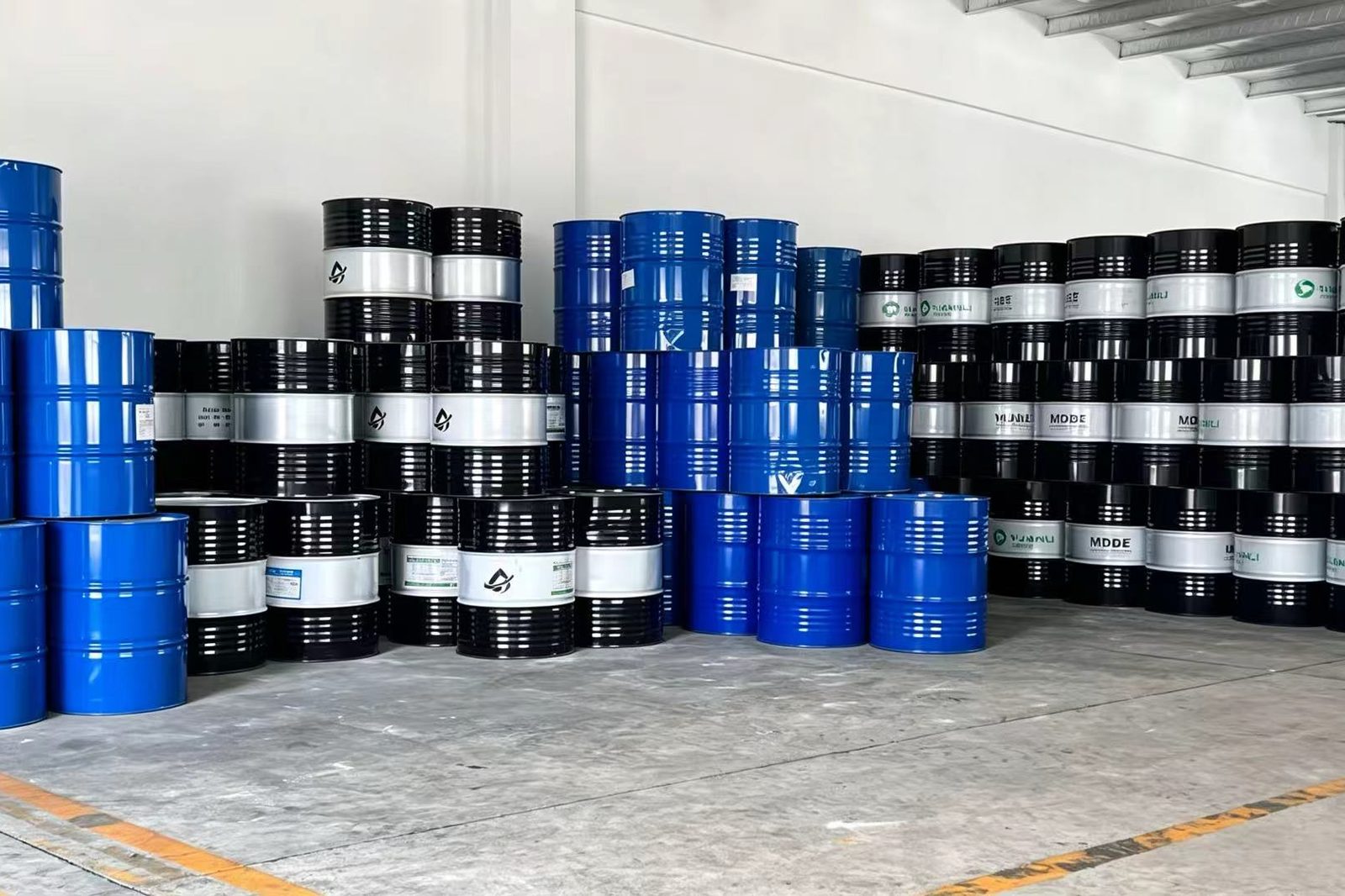
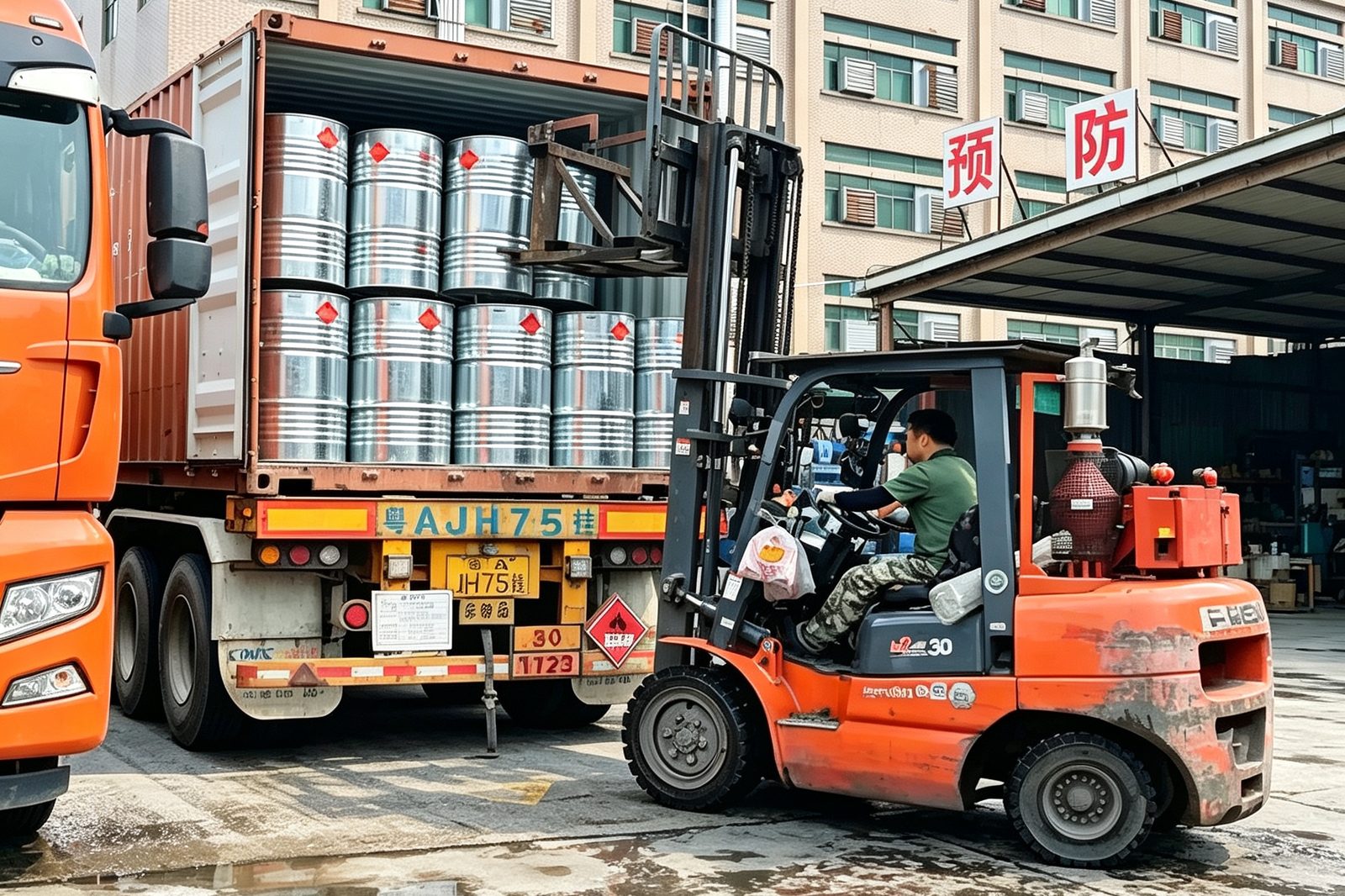
Product photo plus packaging, storage and loading conditions at our Dongguan facility.
At a Glance
| CAS No. | 616-38-6 |
| Chemical Name | Dimethyl carbonate (DMC, methyl carbonate, carbonic acid dimethyl ester) |
| Molecular Formula | C3H6O3 |
| Purity | ≥99% |
| Origin | China |
| Packaging | 210 L steel drum (210 kg) / IBC / ISO tank / small drum |
| Lead Time | 15–20 working days after deposit |
Product Overview
Dimethyl carbonate — also called DMC, methyl carbonate or carbonic acid dimethyl ester — is one of the fastest-growing green chemical raw materials, widely described as a new cornerstone of environmentally friendly organic synthesis. As VOC controls tighten and the new-energy industry expands, conventional high-toxicity toluene and dimethyl sulfate are increasingly restricted, and DMC's low toxicity, ready biodegradability and multi-functional reactivity have made it the mainstream replacement.
Produced on an advanced synthesis and distillation line with water and trace impurities tightly controlled, the industrial grade holds a stable purity of over 99% with consistent batch specifications that will not disturb downstream synthesis catalysis or coating film formation. The clear, mild-odour liquid is compatible with alcohols, ketones, esters and aromatic hydrocarbons and dissolves resins and oils evenly. Its methyl and carbonyl groups let it serve both as a general diluent solvent and as a green methylating or carbonylating reagent. Its 28-day biodegradation rate is over 90% and waste treatment costs far less than for conventional aromatic or halogenated solvents. UN and HS codes are indicative and are confirmed before each shipment.
Key Advantages
One Material, Two Roles: Solvent and Synthesis Intermediate
Most solvents on the market can only dilute. DMC serves both coating dilution and organic methylation, replacing highly toxic dimethyl sulfate and phosgene so a single raw material covers several production lines and reduces inventory pressure.
Low Toxicity and Ready Biodegradability
Toxicity is far below aromatic and ketone solvents, with no heavy metal or aromatic residue and excellent biodegradation. Waste gas and wastewater treatment costs drop sharply, which suits food packaging, pharmaceutical and new-energy lines with strict compliance demands.
Broad Solvency That Improves Coating and Ink Quality
Even solvency for polyurethane, acrylic and nitrocellulose resins with a moderate evaporation rhythm. Spraying and printing are free of blushing and pinholes, film gloss and adhesion improve, and it blends directly into reducing-solvent and adhesive systems.
Steady Supply for New-Energy Demand, One-Stop Export Support
As a core base material for lithium battery electrolytes, DMC demand keeps rising with energy-storage and EV expansion. Our own large hazardous-goods warehouse holds long-term stock so supply does not break between peak and off seasons. Full container, LCL and tanker shipments are supported, with MSDS, COA, dangerous goods packaging certificate and commodity inspection documents, plus professional hazardous-cargo logistics and import registration follow-up.
Applications
Dimethyl carbonate is used in lithium battery electrolytes, environmentally friendly coatings and printing inks, polycarbonate synthesis, pharmaceutical and agrochemical production, and fuel oxygenate blending.
- Lithium battery electrolyte material — a base carbonate solvent used in combination with EC and DEC to lower electrolyte viscosity and improve lithium-ion conductivity, suited to energy-storage batteries, EV power batteries and 3C lithium batteries.
- Environmentally friendly coatings and printing inks — replaces high-VOC toluene and acetone in wood lacquers, metal baking paints and food-packaging flexo inks, cutting workshop emissions with even, bright film formation that meets low-VOC production standards.
- Polycarbonate (PC) engineering plastic synthesis — a non-phosgene green production raw material with no highly toxic by-products, used for optical lenses, automotive plastic parts, electronic housings and medical PC sheet.
- Pharmaceutical and fine chemical synthesis — a mild methylating reagent for antibiotics, antipyretic APIs and vitamin purification, generating only methanol and carbon dioxide as by-products for simple separation and higher API purity.
Technical Specifications
| Appearance | Colourless liquid with a fruity odour |
| Purity | ≥99% |
| Molecular Formula | C3H6O3 |
| CAS No. | 616-38-6 |
| EINECS No. | 203-594-3 |
| Relative Density (water = 1) | 1.07 |
| Flash Point | 17 °C (OC) |
| Boiling Point | 90–91 °C |
| Hazard Classification | Class 3 flammable liquid |
| Stability | Reasonably stable at ambient temperature with low chemical activity; stores stably as long as strong alkali conditions are avoided |
| Solubility | Insoluble in water; miscible with most organic solvents and miscible with acids and alkalis |
| Storage | Store in a cool, dry, well-ventilated non-combustible warehouse away from ignition sources and heat. Warehouse temperature should not exceed 37 °C and containers must stay sealed. Store separately from oxidisers, reducing agents and acids — never mixed. Use explosion-proof lighting and ventilation, and do not use equipment or tools that can produce sparks. The storage area must hold spill-response equipment and suitable containment material. |
Composition
| Component | Concentration | CAS No. |
|---|---|---|
| Dimethyl carbonate | ≥99% | 616-38-6 |
Transport & Compliance
| UN No. | UN1161 |
| Hazard Class | Class 3 flammable liquid |
| Packing Group | II |
| HS Code | 2920900090 |
| Packaging | 210 kg per drum (210 L steel drum) |
UN and HS codes are shown for reference only — please confirm with us before shipment.
FAQ
What is your minimum order quantity?
Our MOQ is one 20GP container — up to 80 drums of 210 L.
What packaging do you offer?
Standard 210 L steel drums, plus IBC totes, ISO tank containers and small drums.
How many drums fit in a 20GP or 40GP, and can you consolidate?
Yes, we consolidate up to 5 product types in one shipment. A 20GP holds up to 80 drums (210 L); a 40GP holds around 130 drums (210 L).
What is the lead time?
15–20 working days after the deposit is received.
Which export documents do you provide?
COA, MSDS, commodity inspection certificate and dangerous goods packaging certificate. We can also assist with Certificate of Origin and other customs paperwork.
What payment terms do you accept?
T/T: 30% deposit, 70% balance against a copy of the Bill of Lading.
Technical Documents
MSDS and batch COA for Dimethyl Carbonate (DMC) are available on request. Tell us your quantity and destination port and we will send the documents with your quotation. Request documents →
Request a Quote for Dimethyl Carbonate (DMC)
Send the quantity and the destination port and we will reply with a price, a packaging suggestion and a realistic shipment date. All fields marked * are required.