
1,3-Propanediol (PDO)
A low-irritation green diol that serves both as a high-performance polymerisation monomer and as a mild moisturising solvent.
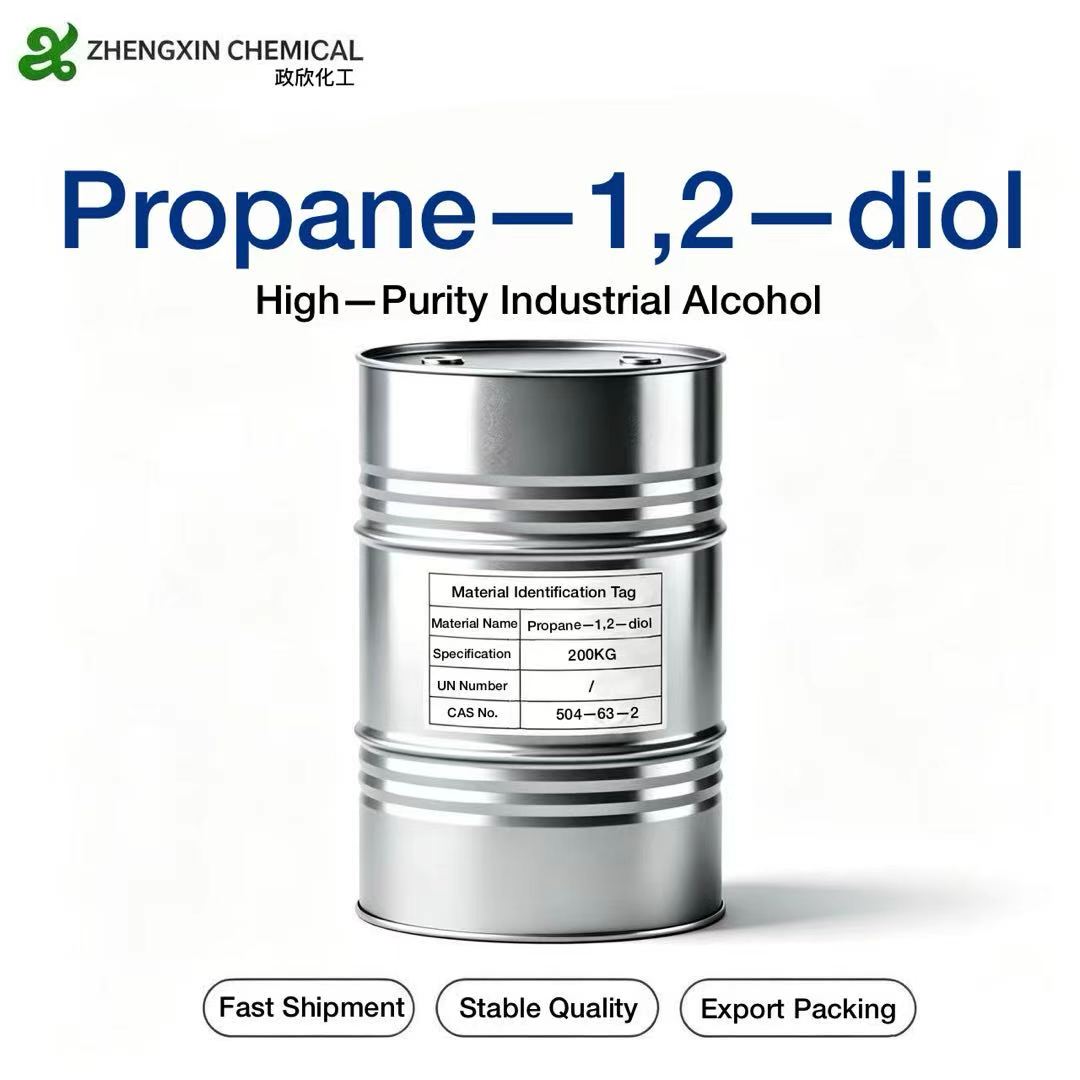
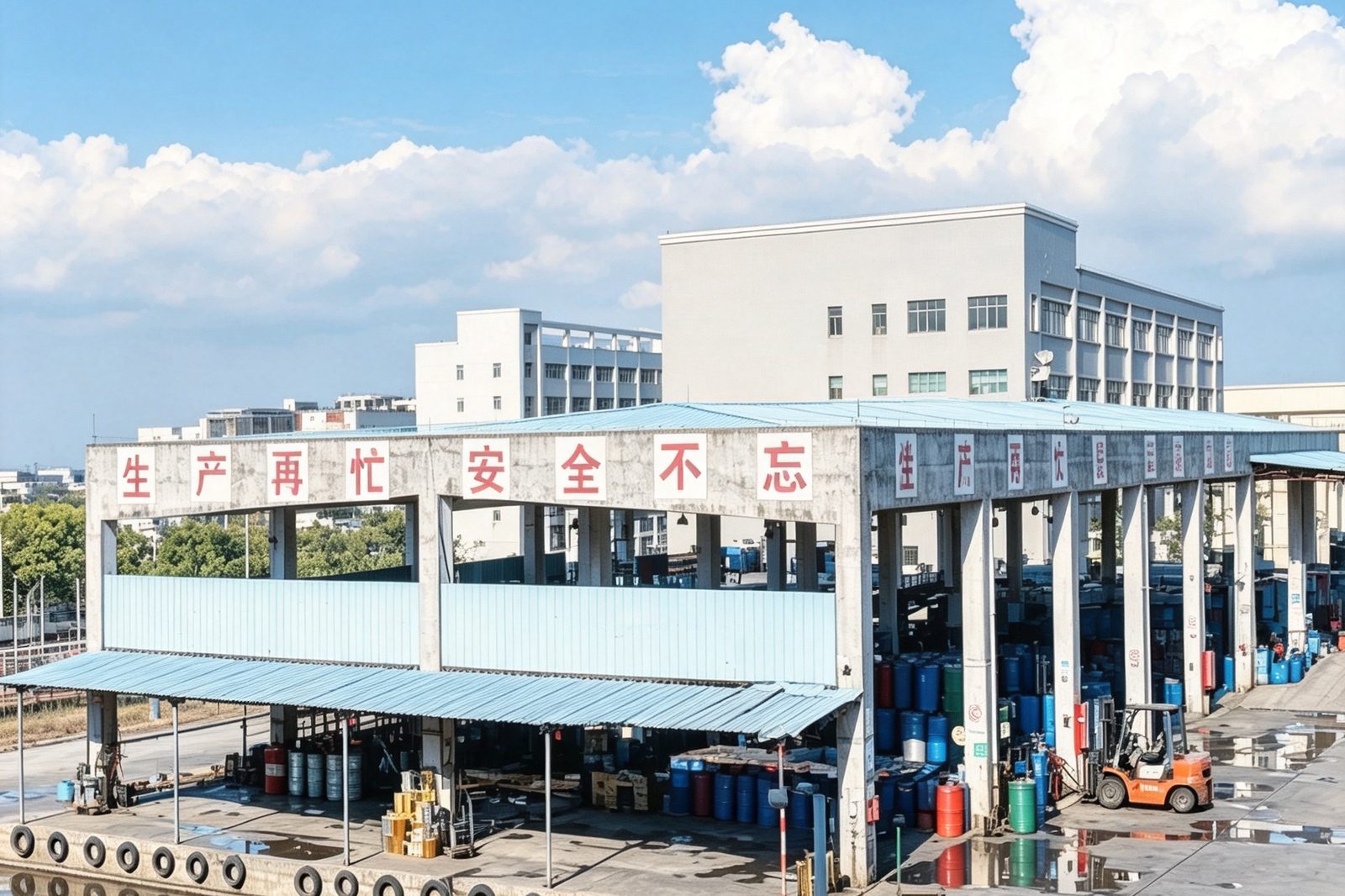
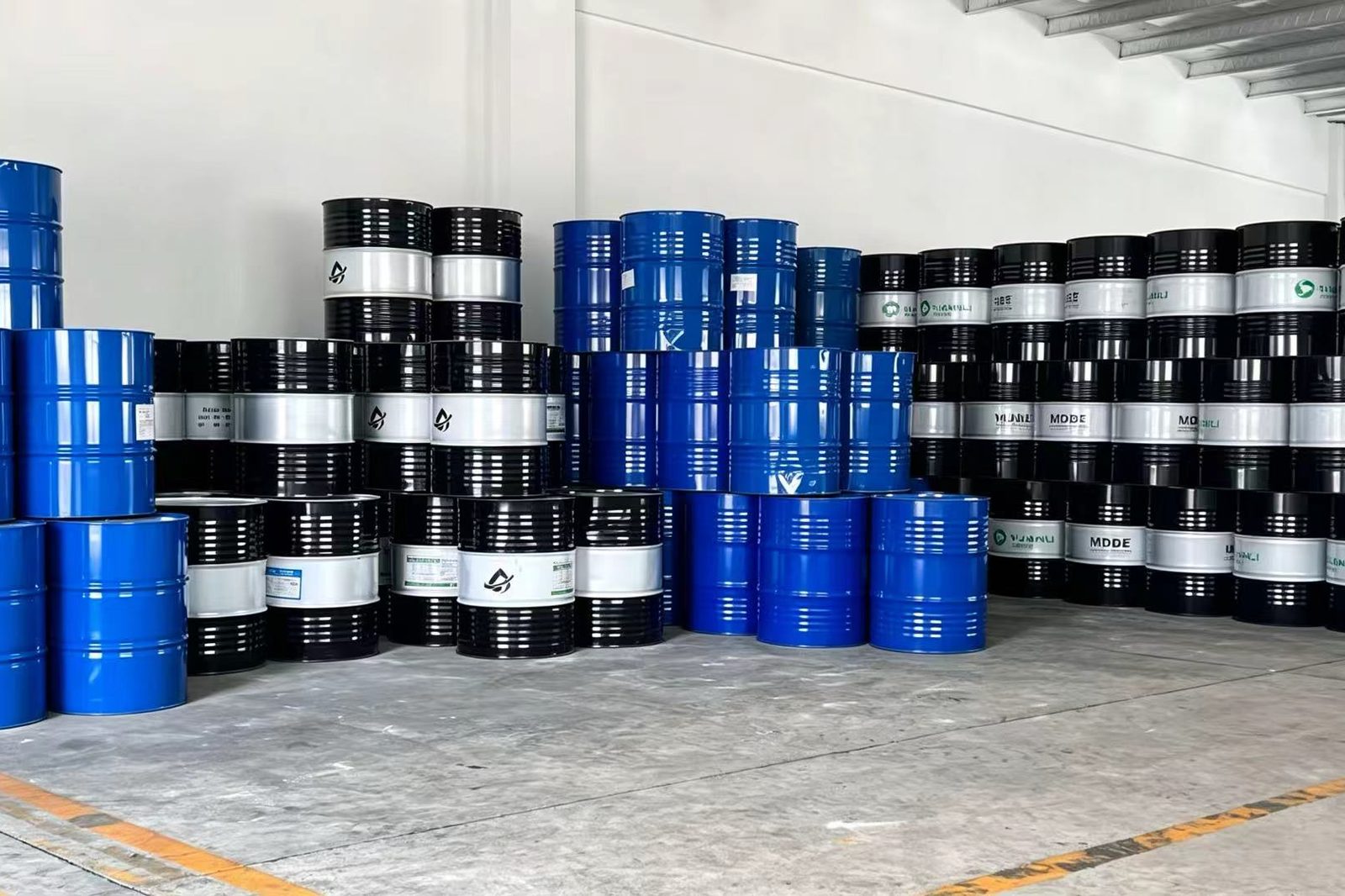
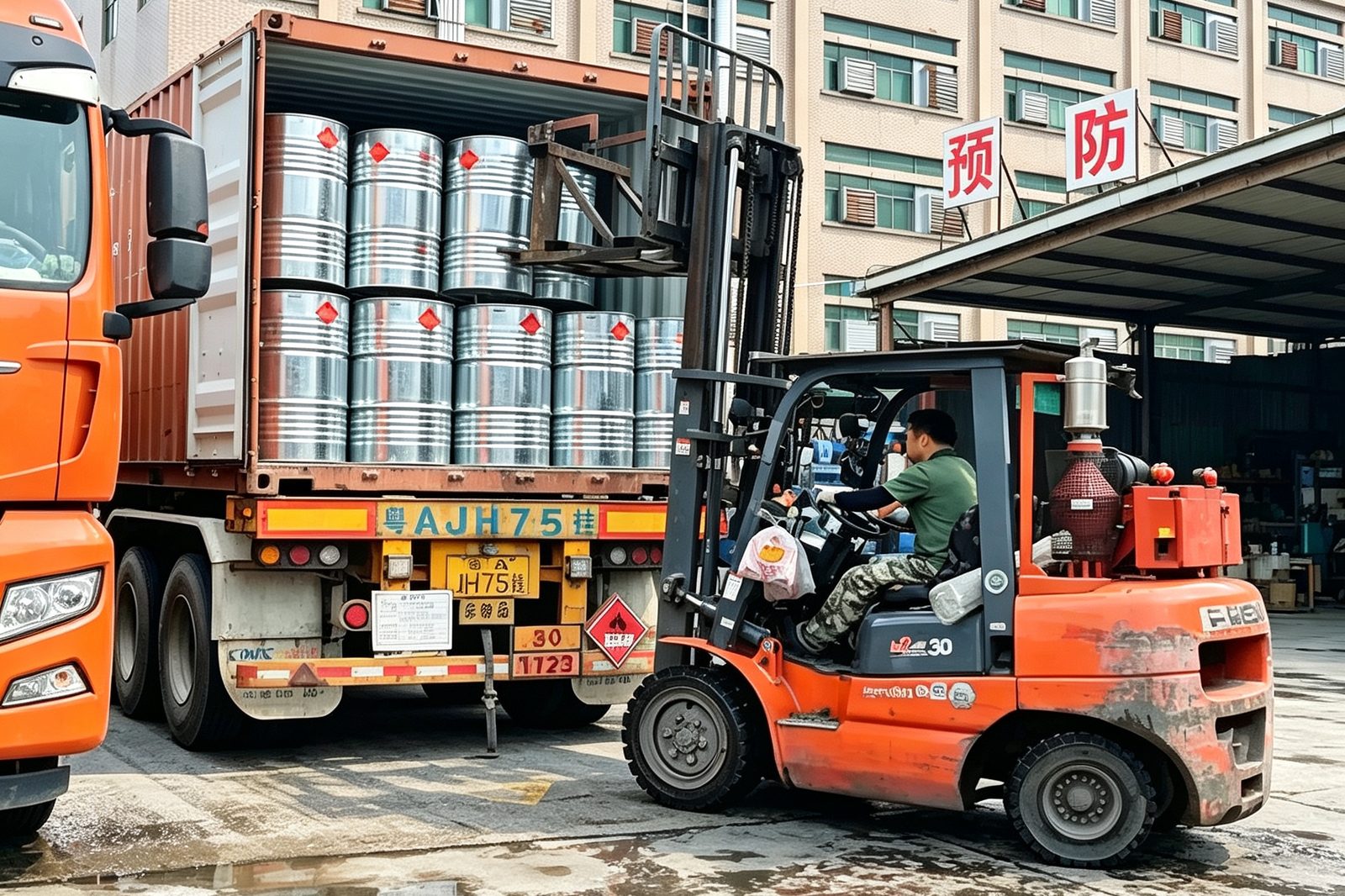
Product photo plus packaging, storage and loading conditions at our Dongguan facility.
At a Glance
| CAS No. | 504-63-2 |
| Chemical Name | 1,3-Propanediol (PDO, trimethylene glycol) |
| Molecular Formula | C3H8O2 |
| Purity | ≥99% |
| Origin | China |
| Packaging | 210 L steel drum (200 kg) / IBC / ISO tank / small drum |
| Lead Time | 15–20 working days after deposit |
Product Overview
1,3-Propanediol (PDO) is produced on two mature routes — bio-fermentation and petrochemical synthesis — and purified by multi-stage precision distillation with water content and trace impurities tightly controlled. Different purity grades cover the demanding requirements of polymerisation, personal care and pharmaceutical applications. The liquid is colourless, low in viscosity and almost odourless, with excellent hydrophilic compatibility. Its molecular structure gives a uniquely flexible polymer backbone, so the polymers it forms recover their shape and resist flexing far better than those made from ordinary diols; and because irritation is extremely low, it has become a mainstream green alternative alcohol in global cosmetics and pharmaceuticals.
With sustainable-material policy spreading worldwide, demand for bio-based PDO is growing fast, driven by PTT stretch fabrics, premium skin care and pharmaceutical formulations. Conventional ethylene glycol and propylene glycol both carry irritation or performance limitations, leaving wide room for PDO to replace them as an upgraded raw material.
Key Advantages
Outstanding Polymerisation Performance for High-Elasticity Materials
As a dedicated monomer for PTT and PU, it gives fibre exceptional recovery, stain resistance and low-temperature dyeability, clearly improving elastic plastics, carpets and sportswear fabrics.
Low Irritation and Green Moisturisation for Personal Care and Pharma
Skin irritation is far lower than propylene glycol or ethylene glycol, with no comedogenic risk, so it suits baby care and oral pharmaceutical excipients and complies with cosmetic safety rules in your market.
High Boiling Point and Low Volatility, Strong Formulation Stability
Evaporation at ambient temperature is minimal, so coatings and skin care systems do not dry out or skin over, storage life is long and the risk of separation or spoilage drops sharply.
Bio-Based Option for Low-Carbon Brand Supply Chains
The fermentation grade is made from renewable feedstock, and its low-carbon profile meets the sustainable sourcing standards of overseas brands, easing market access.
Applications
1,3-Propanediol serves six distinct industrial segments: PTT elastic polyester, polyurethane synthesis, premium personal care, pharmaceutical excipients, eco-friendly coatings and adhesives, and low-temperature heat transfer and antifreeze fluids.
- PTT elastic polyester synthesis — the core polymerisation monomer for high-recovery sportswear fabrics, carpets, automotive interiors and flexible engineering plastics, giving soft, crease-resistant fabric with even low-temperature dyeing.
- Polyurethane polyol feedstock — used as a chain extender in flexible PU foam, synthetic leather and elastic adhesives, improving flex resistance and ageing performance.
- Premium personal care — a mild moisturiser for sheet masks, essences, baby washes and toothpaste that also helps dissolve active skin care ingredients, leaving a fresh, non-tacky feel.
- Pharmaceutical excipients — solvent and stabiliser for oral medicines, topical ointments and hydrogels; low toxicity and safe, meeting pharmacopoeial standards of use.
Technical Specifications
| Appearance | Colourless transparent, virtually odourless |
| Purity | ≥99% |
| Molecular Formula | C3H8O2 |
| CAS No. | 504-63-2 |
| EINECS No. | 205-133-4 |
| Relative Density (water = 1) | 1.035–1.037 |
| Flash Point | 90–107 °C (closed cup) |
| Boiling Point | 187–188 °C |
| Hazard Classification | Not classified as dangerous goods |
| Stability | Chemically stable under sealed ambient storage — resistant to decomposition, oxidation and polymerisation |
| Solubility | Miscible with water, methanol, ethanol, acetone and other polar alcohol and ketone solvents |
| Storage | Store in a cool, ventilated general-purpose warehouse at 37 °C or below with containers fully sealed. Keep separate from oxidisers and food-grade raw materials, with standard firefighting equipment available in the area. |
Composition
| Component | Concentration | CAS No. |
|---|---|---|
| 1,3-Propanediol | ≥99% | 504-63-2 |
Transport & Compliance
| UN No. | None (non-hazardous) |
| Hazard Class | Not classified as dangerous goods |
| Packing Group | Standard packaging |
| HS Code | 2905320000 |
| Packaging | 200 kg per drum (210 L steel drum) |
UN and HS codes are shown for reference only — please confirm with us before shipment.
FAQ
What is your minimum order quantity?
Our MOQ is one 20GP container — up to 80 drums of 210 L.
What packaging do you offer?
Standard 210 L steel drums, plus IBC totes, ISO tank containers and small drums.
How many drums fit in a 20GP or 40GP, and can you consolidate?
Yes, we consolidate up to 5 product types in one shipment. A 20GP holds up to 80 drums (210 L); a 40GP holds around 130 drums (210 L).
What is the lead time?
15–20 working days after the deposit is received.
Which export documents do you provide?
COA, MSDS, commodity inspection certificate and dangerous goods packaging certificate. We can also assist with Certificate of Origin and other customs paperwork.
What payment terms do you accept?
T/T: 30% deposit, 70% balance against a copy of the Bill of Lading.
Technical Documents
MSDS and batch COA for 1,3-Propanediol (PDO) are available on request. Tell us your quantity and destination port and we will send the documents with your quotation. Request documents →
Request a Quote for 1,3-Propanediol (PDO)
Send the quantity and the destination port and we will reply with a price, a packaging suggestion and a realistic shipment date. All fields marked * are required.