
Stricter Dangerous Goods Export Checks Put Documentation in Focus
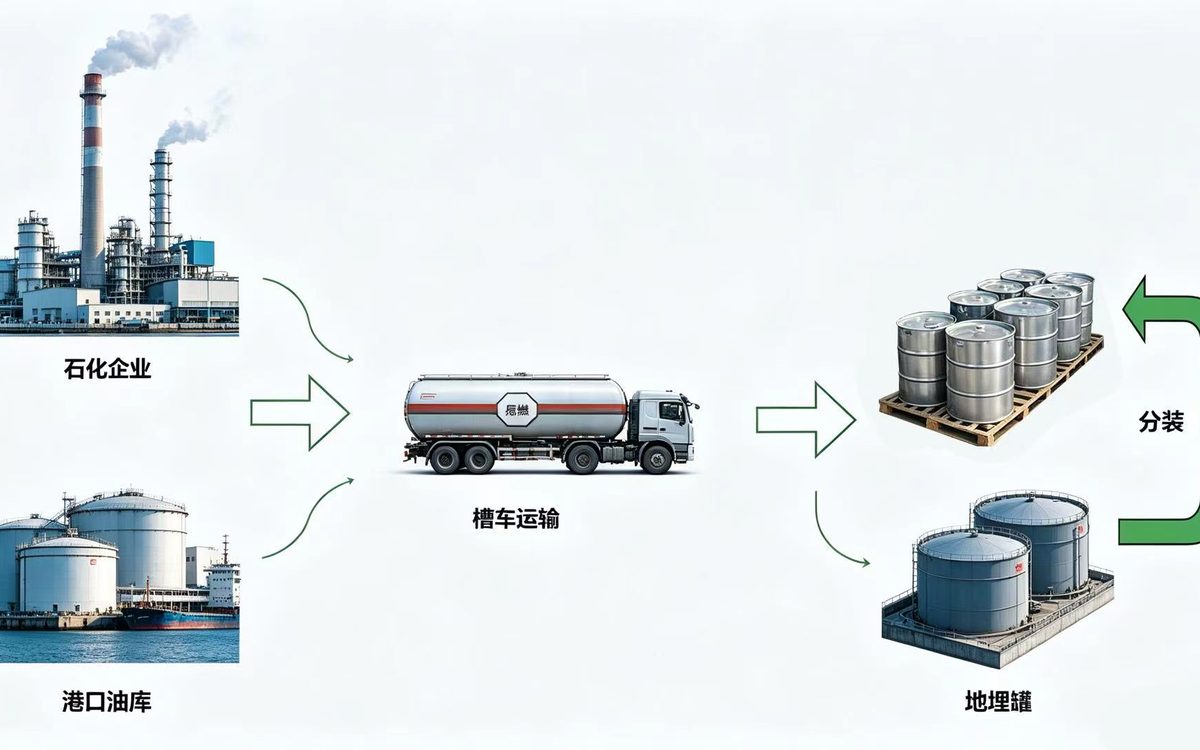
Tighter Screening for Hazardous Chemical Imports
Customs authorities across Southeast Asia, the Middle East and Europe continue to revise how dangerous goods imports are screened, and the practical effect is felt at the port rather than on paper. For industrial solvents such as xylene, esters and ketones, clearance increasingly turns on whether the UN number, HS code, safety data sheet, batch quality certificate and packaging marks all describe the same shipment. A single mismatch between documents and cargo is enough to trigger a hold, and once a container is held, demurrage, storage and re-inspection costs begin to accumulate immediately.
Documents Most Often Verified at Import Clearance
- MSDS in the language and format required by the destination customs authority
- COA for the actual production batch, with test items matching the agreed specification
- commodity inspection certificate issued for the shipment
- dangerous goods packaging certificate covering the drums and packing method used
- Certificate of Origin consistent with the declared origin and trade terms
- UN number, proper shipping name and HS code printed identically on documents and labels
Because these items are cross-checked against each other, correcting a single document after departure rarely solves the problem. Buyers are advised to confirm the destination document requirements with their customs broker before production is scheduled, rather than after the container has been sealed.
Need a price for this material? Tell us the grade, the quantity and the destination port — we will reply with a quotation, a packaging suggestion and the MSDS and COA. Request a quote →
Where Shipments Most Often Go Wrong
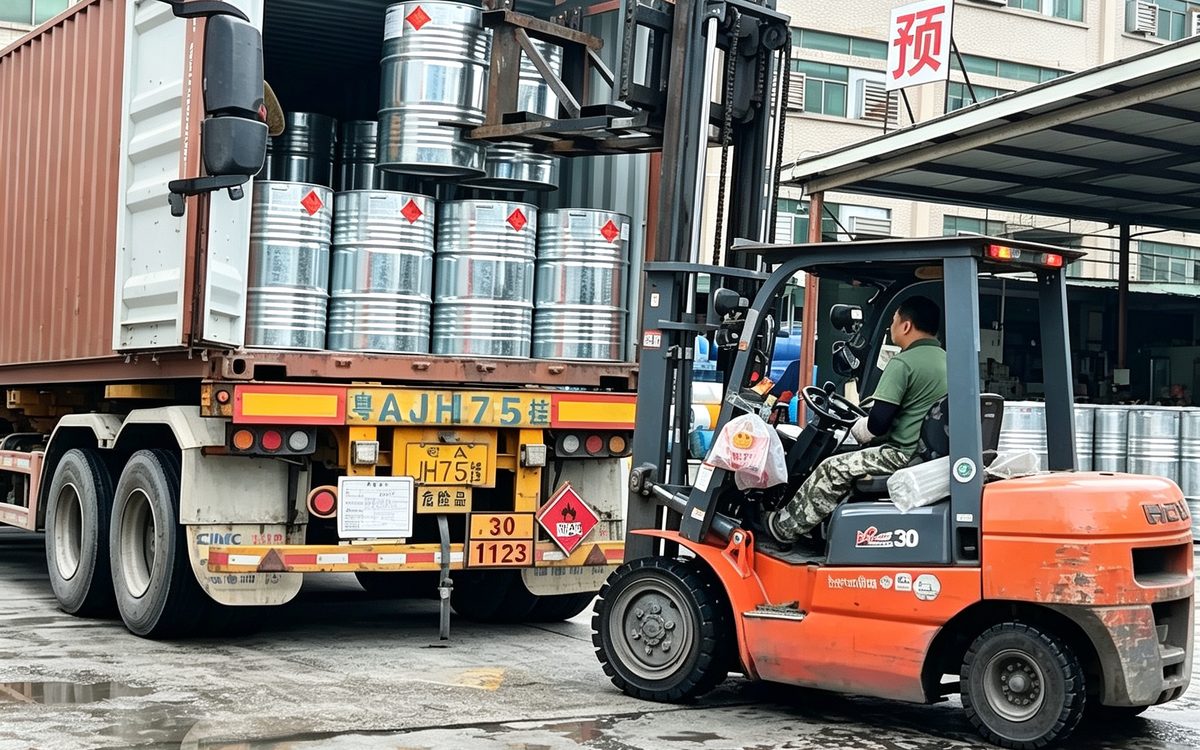
- Batch numbers on the COA that do not correspond to the drums actually loaded
- Drum labels showing a different UN number, packing group or net weight than the shipping documents
- MSDS versions older than the formulation currently being supplied
- Missing or expired packaging certificates for the specific drum type used
A Practical Checklist for Overseas Buyers
- Confirm the required document set for the destination with a customs broker at the quotation stage.
- Provide the exact product specification, packing size and labelling requirements in writing.
- Allow time for document review both before production and before booking.
- Book through forwarders qualified for hazardous cargo, so the document package can be reviewed ahead of the cut-off.
- Keep a scanned copy of the full document set for each shipment for reference and repeat orders.
Compliance as a Commercial Advantage
For exporters, documentation discipline has become part of the product itself. Suppliers that maintain a complete and internally consistent document package reduce the risk of port delays for their customers and make repeat ordering simpler. Buyers assessing a new supplier may find it useful to request a sample batch document set, including COA and MSDS, well before placing a first order, and to verify that packing, labelling and certification practice matches what is claimed.
Related Reading
Industry News
Coatings and Ink Capacity Growth Revives Overseas Solvent Demand
Coatings and printing ink capacity is expanding in Southeast Asia and the Middle East, lifting enquiry volumes for aromatic and acetate solvents across the region.
2026-07-12
Industry News
New Energy and Precision Electronics Lift High-Purity Solvent Demand
Battery and precision electronics manufacturing is pushing demand toward low-water, low-residue solvent grades, where batch documentation matters as much as price.
2026-07-05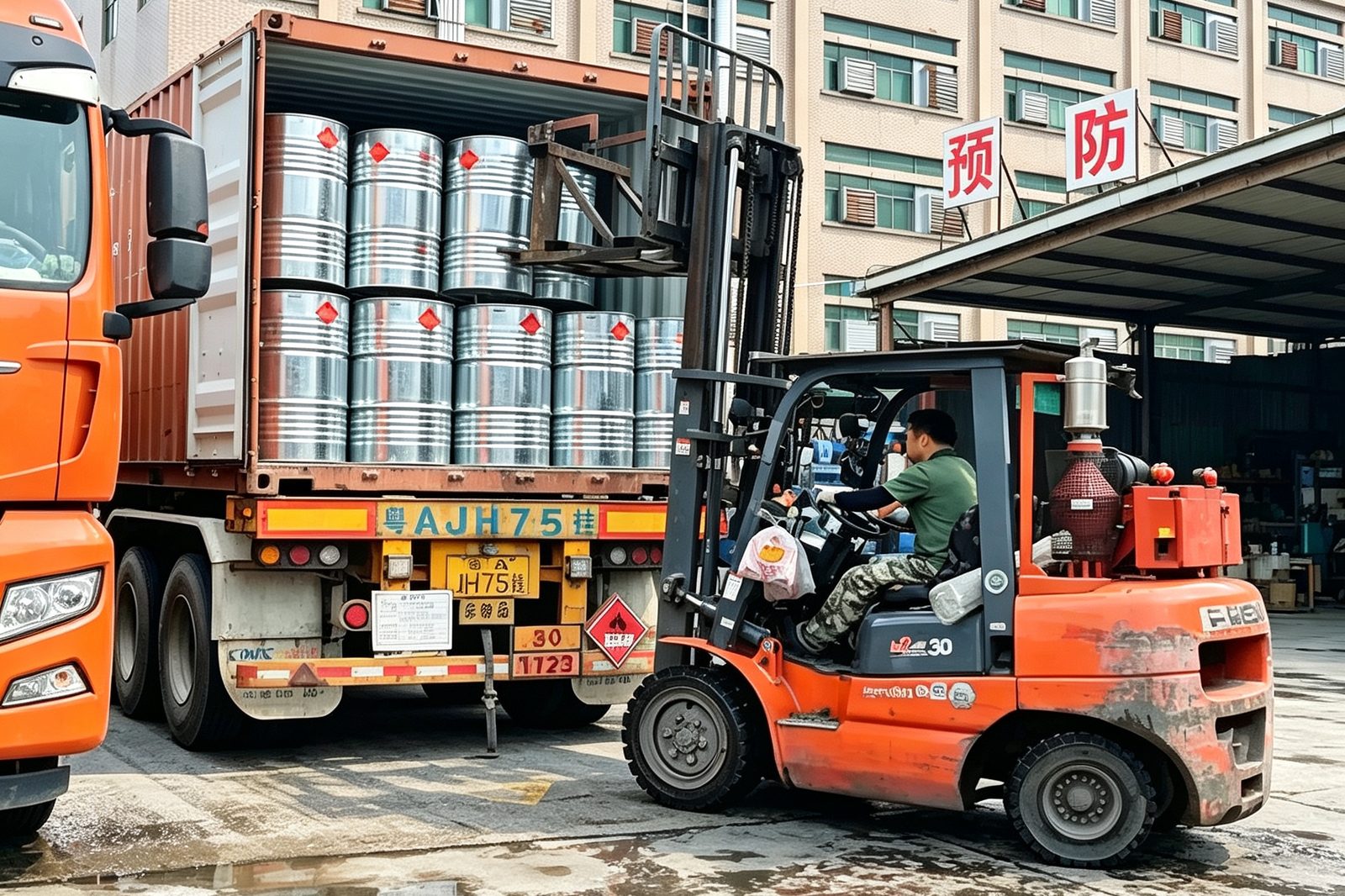
Industry News
Volatile Ocean Freight: Why Chemical Exporters Should Book Early
Dangerous goods space tightens through the export peak season. Orders placed 15 to 30 days ahead give production, documentation and booking room to work.
2026-06-28