Ethylene Glycol Monoethyl Ether Acetate (CAC)
A mid-to-high boiling ether-ester slow-drying solvent with outstanding resin solvency and smooth, even evaporation for baking coatings, premium screen inks, photoresists, industrial cleaners and laminating adhesives.
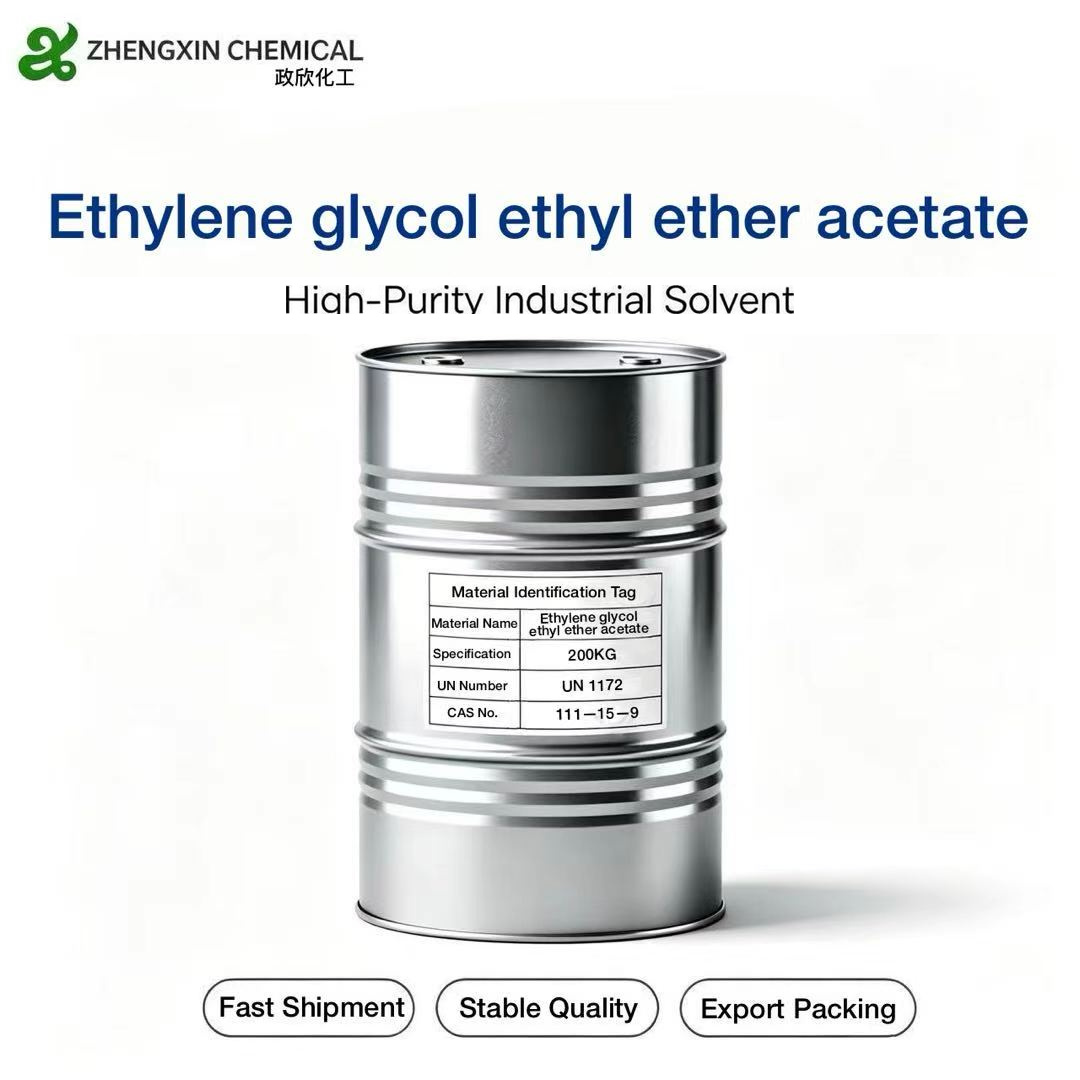
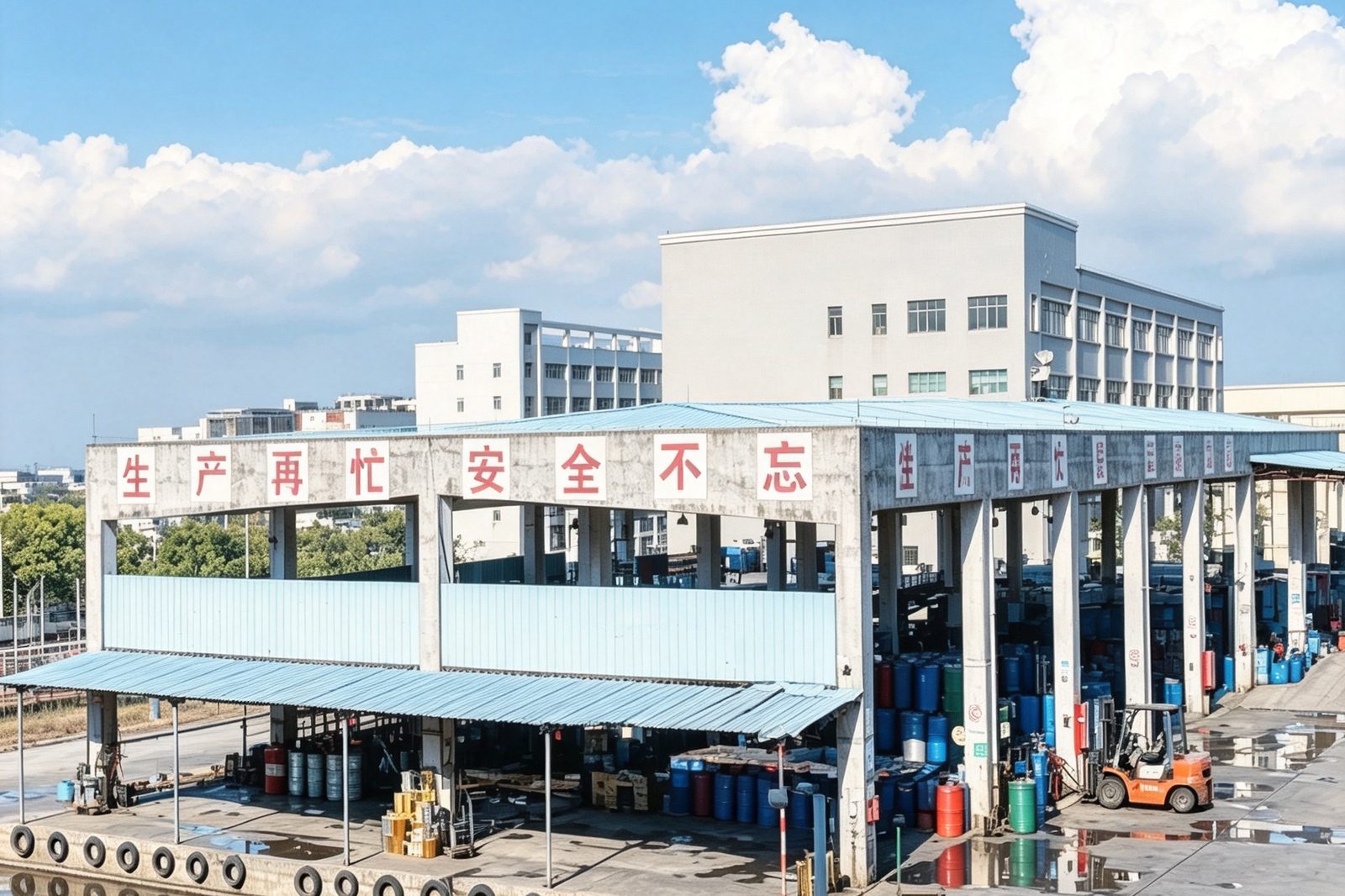
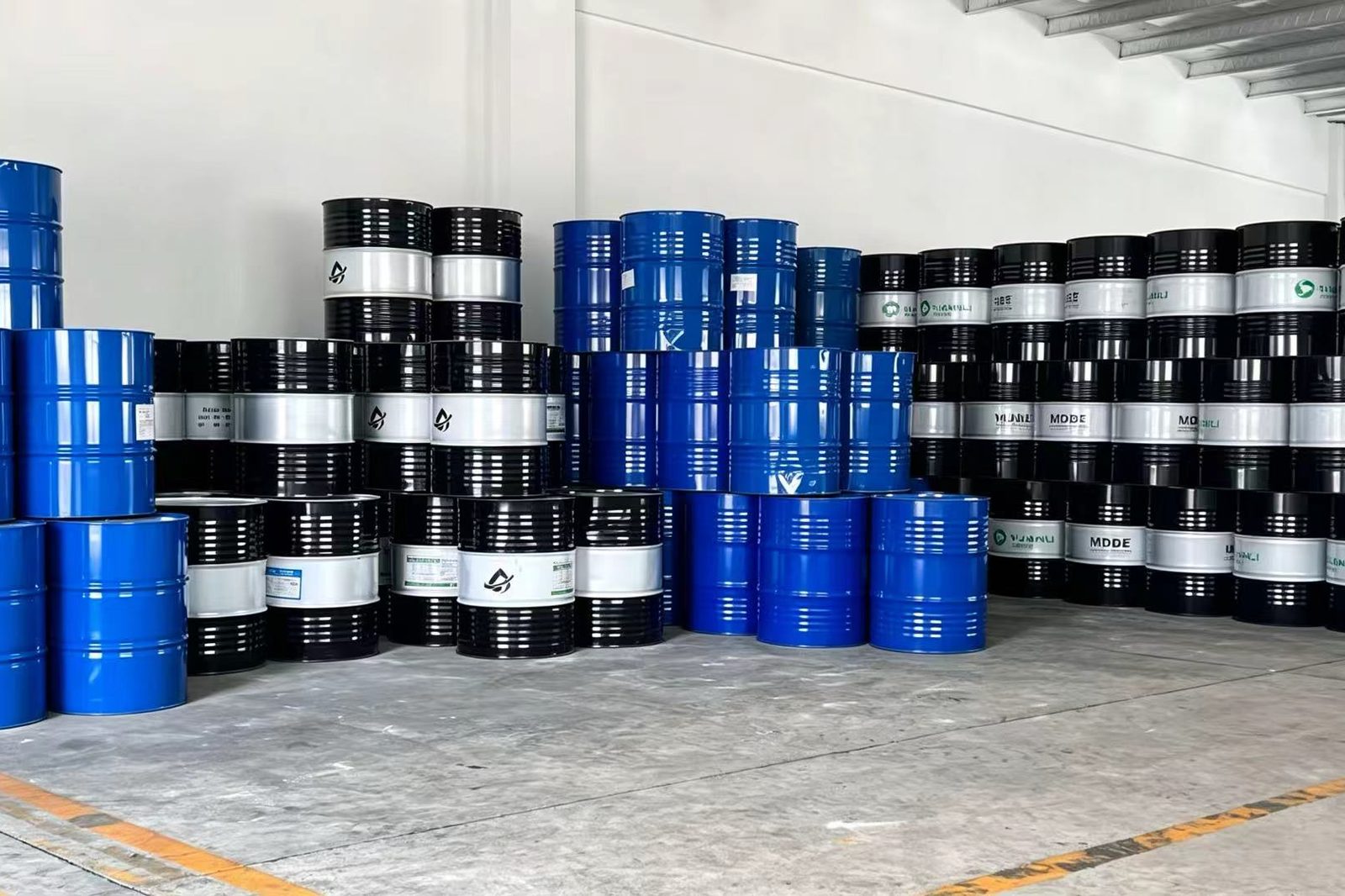
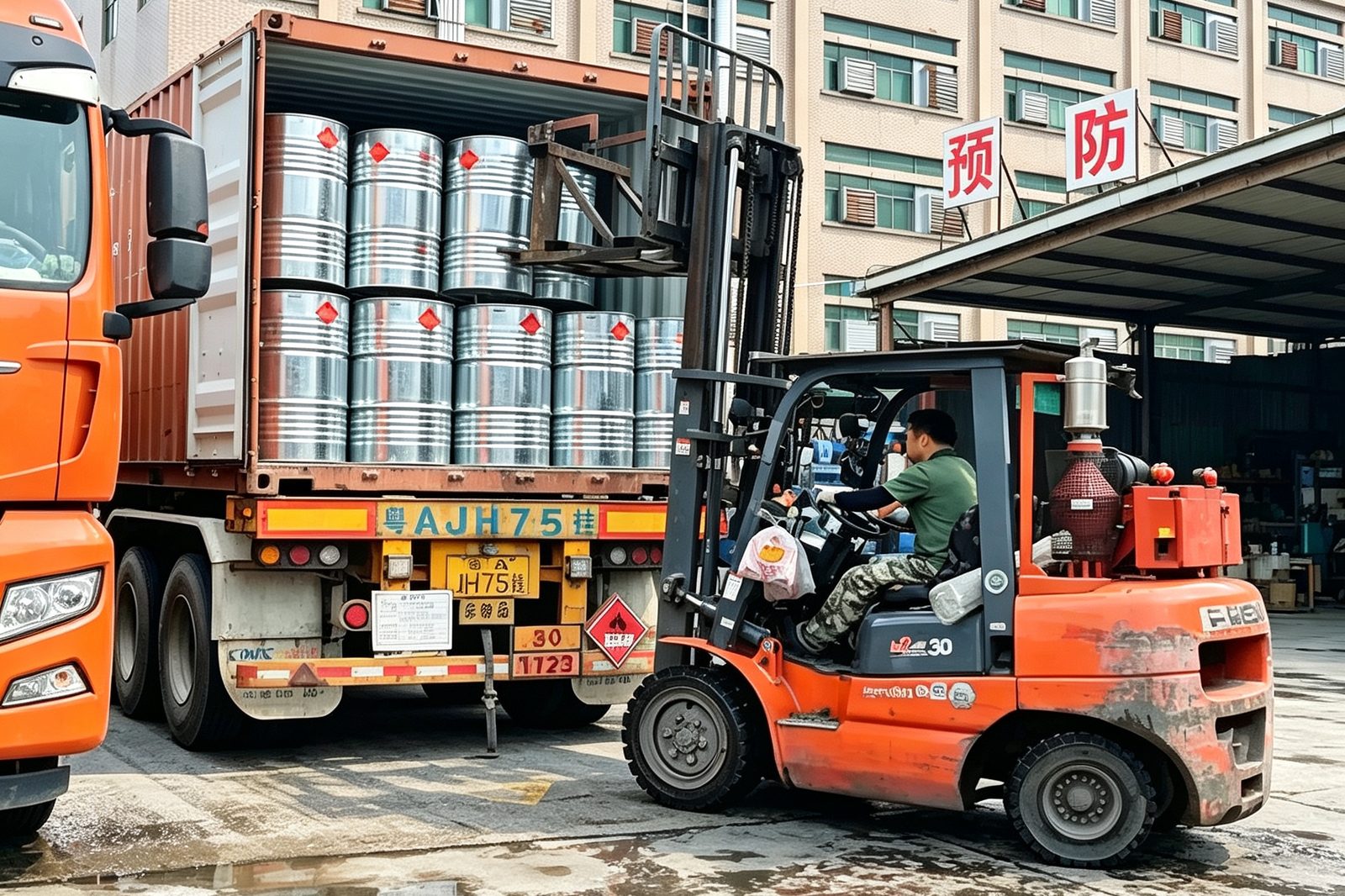
Product photo plus packaging, storage and loading conditions at our Dongguan facility.
At a Glance
| CAS No. | 111-15-9 |
| Chemical Name | Ethylene glycol monoethyl ether acetate (2-ethoxyethyl acetate, ethylene glycol ethyl ether acetate, EGEEA, CAC) |
| Molecular Formula | C6H12O3 |
| Purity | ≥99% |
| Origin | China |
| Packaging | 210 L steel drum (200 kg) / IBC / ISO tank container / small drum |
| Lead Time | About 60 working days after deposit |
Product Overview
Ethylene glycol monoethyl ether acetate — also called 2-ethoxyethyl acetate, EGEEA or CAC — is produced by esterifying ethylene glycol monoethyl ether and refined by multi-stage distillation that strips out residual alcohol and acid light ends. Distillation range and evaporation rate are held uniform from batch to batch. Because the molecule carries both ether and ester functionality, it dissolves nitrocellulose, acrylic, epoxy and PU resins equally well, while its moderate boiling point and slow, even release give spraying and printing a generous levelling window and sharply reduce orange peel, pinholes and blushing in the finished film.
Demand is anchored in furniture, metal anti-corrosion baking enamels and packaging inks, with electronics photoresists and precision cleaning growing in step with the electronics industry. As global VOC rules tighten and aggressive fast-drying aromatics come under restriction, CAC is increasingly specified as a high-performance slow-drying ether-ester replacement. Spent solvent can be recovered by distillation for re-use, so long-run cost of ownership stays controllable, and storage only calls for a sealed, explosion-proof ventilated warehouse away from strong acids, alkalis and strong oxidisers.
Key Advantages
Ether–Ester Dual Functionality, Broad Resin Solvency
A single solvent dissolves nitrocellulose, acrylic, epoxy and polyurethane film-forming resins, so formulators need fewer co-solvents and the coatings or inks recipe stays simple.
Balanced Slow Evaporation for Gloss and Levelling
Its mid-to-high boiling point and slow, even release give spraying and screen printing a long levelling window. Films cure without orange peel, craters or blushing and come out full-bodied with high gloss.
Electronics-Grade Low Residue for Photoresist Lines
Very low impurity content and no ionic or oily residue after evaporation make it suitable for PCB photoresist dilution and precision cleaning of electronic components.
One Solvent, Two Jobs — Thinning and Cleaning
It works both as the dedicated dilution vehicle for baking enamels and inks and as the base for paint strippers and metal degreasing cleaners, cutting the number of raw materials you need to stock.
Applications
Ethylene glycol monoethyl ether acetate covers six distinct industrial segments: industrial baking coatings, premium screen printing inks, electronic photoresists, heavy-duty industrial cleaning, laminating adhesives and pharmaceutical extraction.
- Industrial baking coatings — a dedicated slow-drying solvent for wood baking enamels, metal engineering machinery topcoats and high-temperature plastic coatings, improving film adhesion and outdoor weather resistance.
- Premium printing inks — a slow-drying aid for plastic and metal gravure and screen inks that runs at high speed without blocking the screen and prints fine detail with no colour drag.
- Electronics photoresist processing — a dilution and stripping medium for PCB photoresists that leaves the substrate free of corrosion and residue.
- Industrial paint strippers and degreasers — fast dissolution and cleaning of aged paint and heavy stamping oils from metal moulds and spray jigs.
Technical Specifications
| Appearance | Colourless liquid with a faint, mild ester-like aromatic odour |
| Purity | ≥99% |
| Molecular Formula | C6H12O3 |
| CAS No. | 111-15-9 |
| EINECS No. | 203-839-2 |
| Relative Density (water = 1) | 0.97 (at 20 °C) |
| Flash Point | 47 °C (COC); 52 °C (CC) |
| Boiling Point | 156.4 °C |
| Hazard Classification | Class 3 flammable liquid |
| Stability | Stable when sealed at ambient temperature; hydrolyses in contact with strong acids or alkalis — never store with strong oxidisers |
| Solubility | Slightly soluble in water; soluble in ethanol and ether; miscible with aromatics and most other organic solvents |
| Storage | Store in a cool, ventilated, explosion-proof hazardous goods warehouse below 37 °C with containers kept sealed throughout. Keep separate from acids, alkalis and oxidisers, with spark-free tools and sand or absorbent spill containment on hand. |
Composition
| Component | Concentration | CAS No. |
|---|---|---|
| Ethylene glycol monoethyl ether acetate | ≥99% | 111-15-9 |
Transport & Compliance
| UN No. | UN1172 |
| Hazard Class | Class 3 flammable liquid |
| Packing Group | III |
| HS Code | 2915390000 |
| Packaging | 200 kg per drum (210 L steel drum) |
UN and HS codes are shown for reference only — please confirm with us before shipment.
FAQ
What is your minimum order quantity?
Our MOQ is one 20GP container — up to 80 drums of 210 L.
What packaging do you offer?
Standard 210 L steel drums, plus IBC totes, ISO tank containers and small drums.
How many drums fit in a 20GP or 40GP, and can you consolidate?
Yes, we consolidate up to 5 product types in one shipment. A 20GP holds up to 80 drums (210 L); a 40GP holds around 130 drums (210 L).
What is the lead time?
About 60 working days after the deposit is received.
Which export documents do you provide?
COA, MSDS, commodity inspection certificate and dangerous goods packaging certificate. We can also assist with Certificate of Origin and other customs paperwork.
What payment terms do you accept?
T/T: 30% deposit, 70% balance against a copy of the Bill of Lading.
Technical Documents
MSDS and batch COA for Ethylene Glycol Monoethyl Ether Acetate (CAC) are available on request. Tell us your quantity and destination port and we will send the documents with your quotation. Request documents →
Request a Quote for Ethylene Glycol Monoethyl Ether Acetate (CAC)
Send the quantity and the destination port and we will reply with a price, a packaging suggestion and a realistic shipment date. All fields marked * are required.