Ethylene Glycol Monomethyl Ether (EM)
A short-chain dual-affinity glycol ether with powerful solvency, combining premium coating dilution, electronics photolithography and fine synthesis intermediate roles.
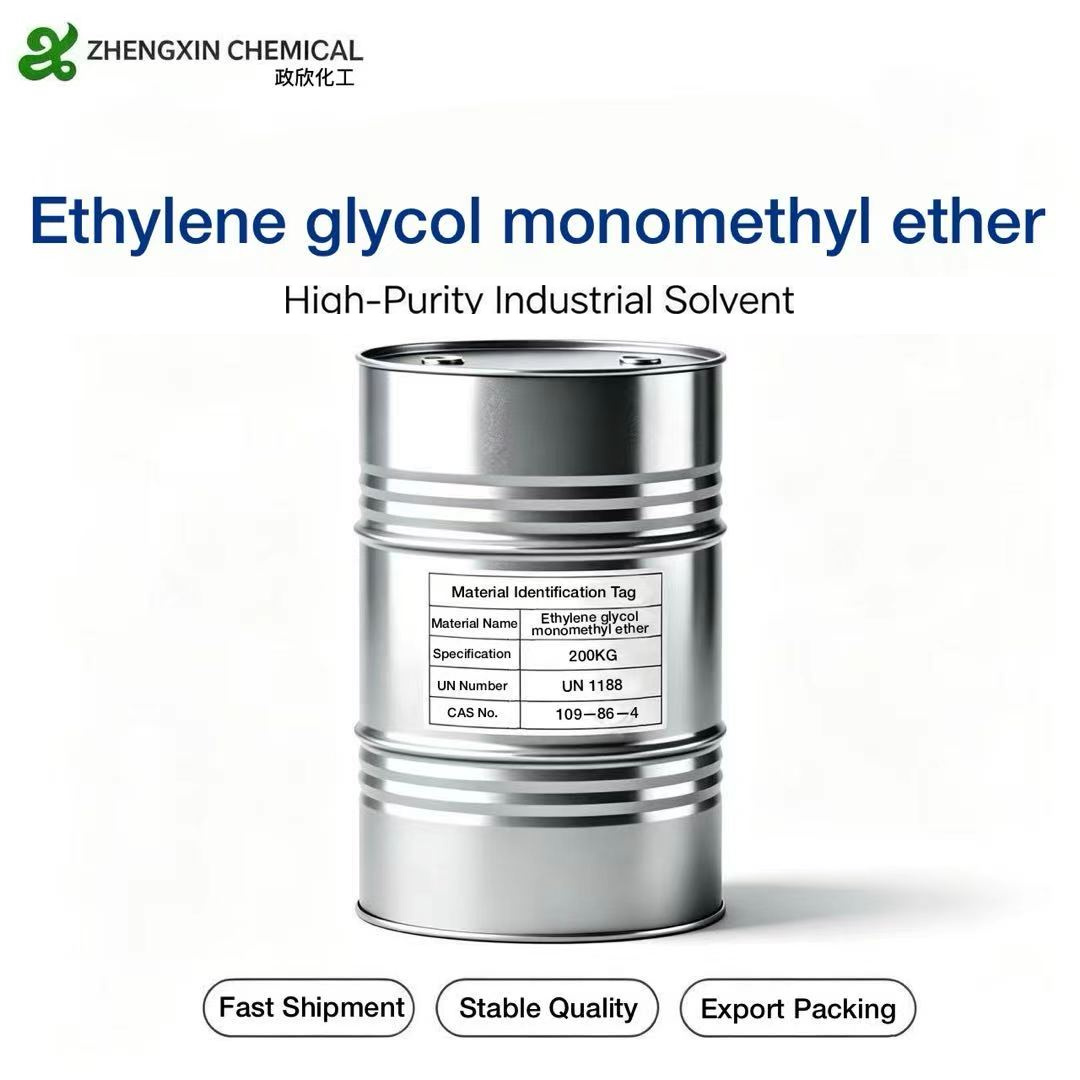
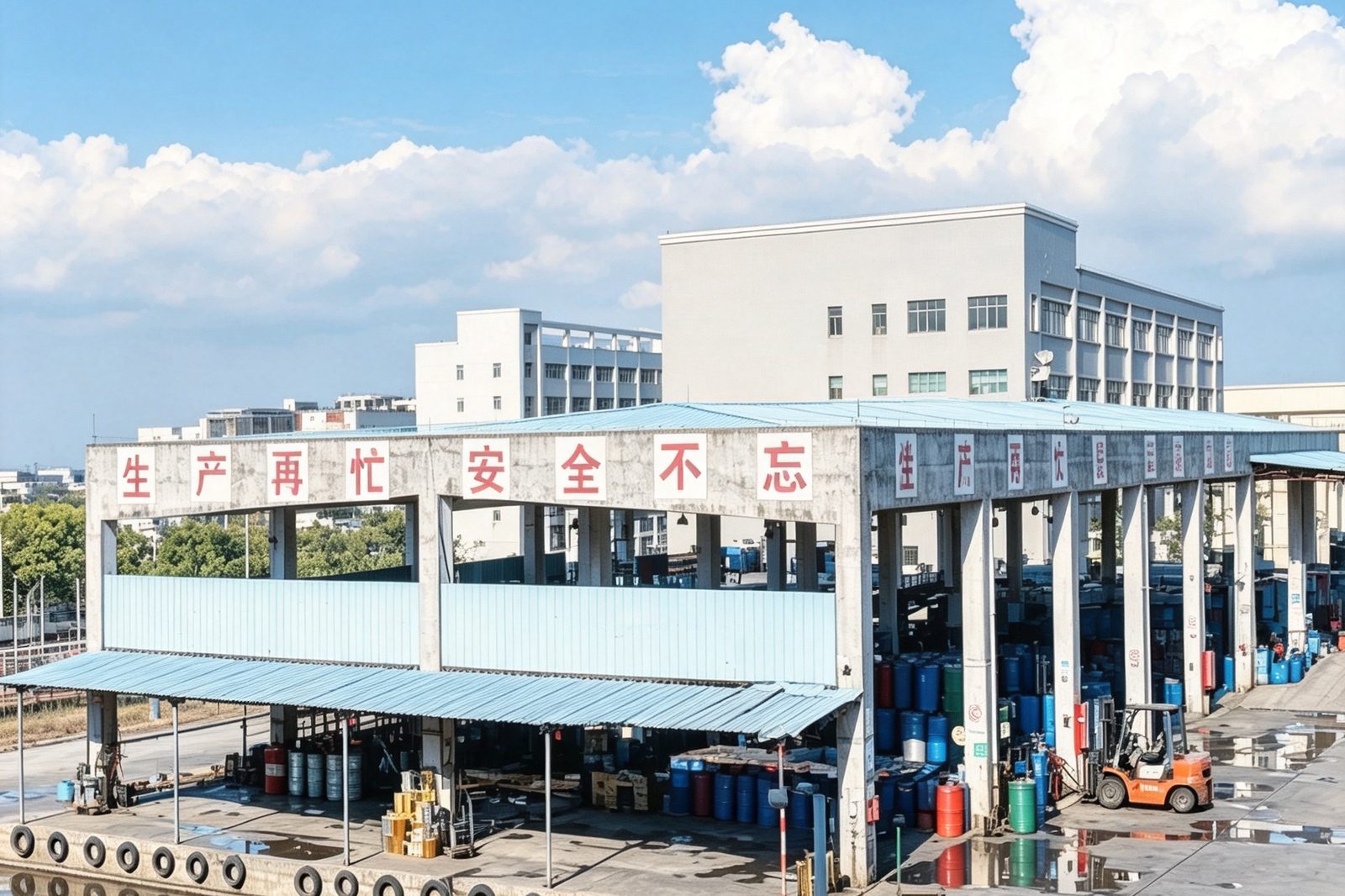
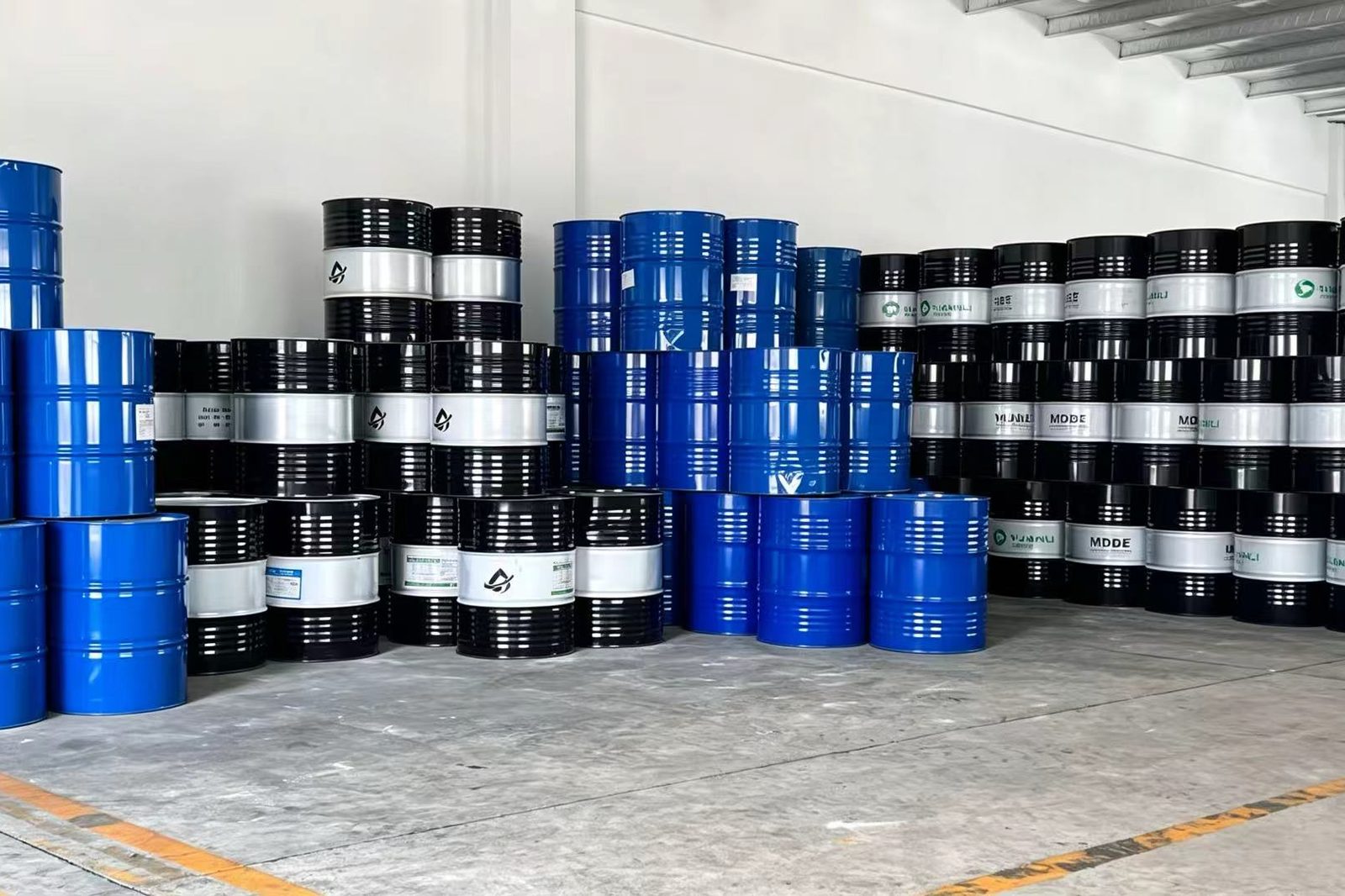
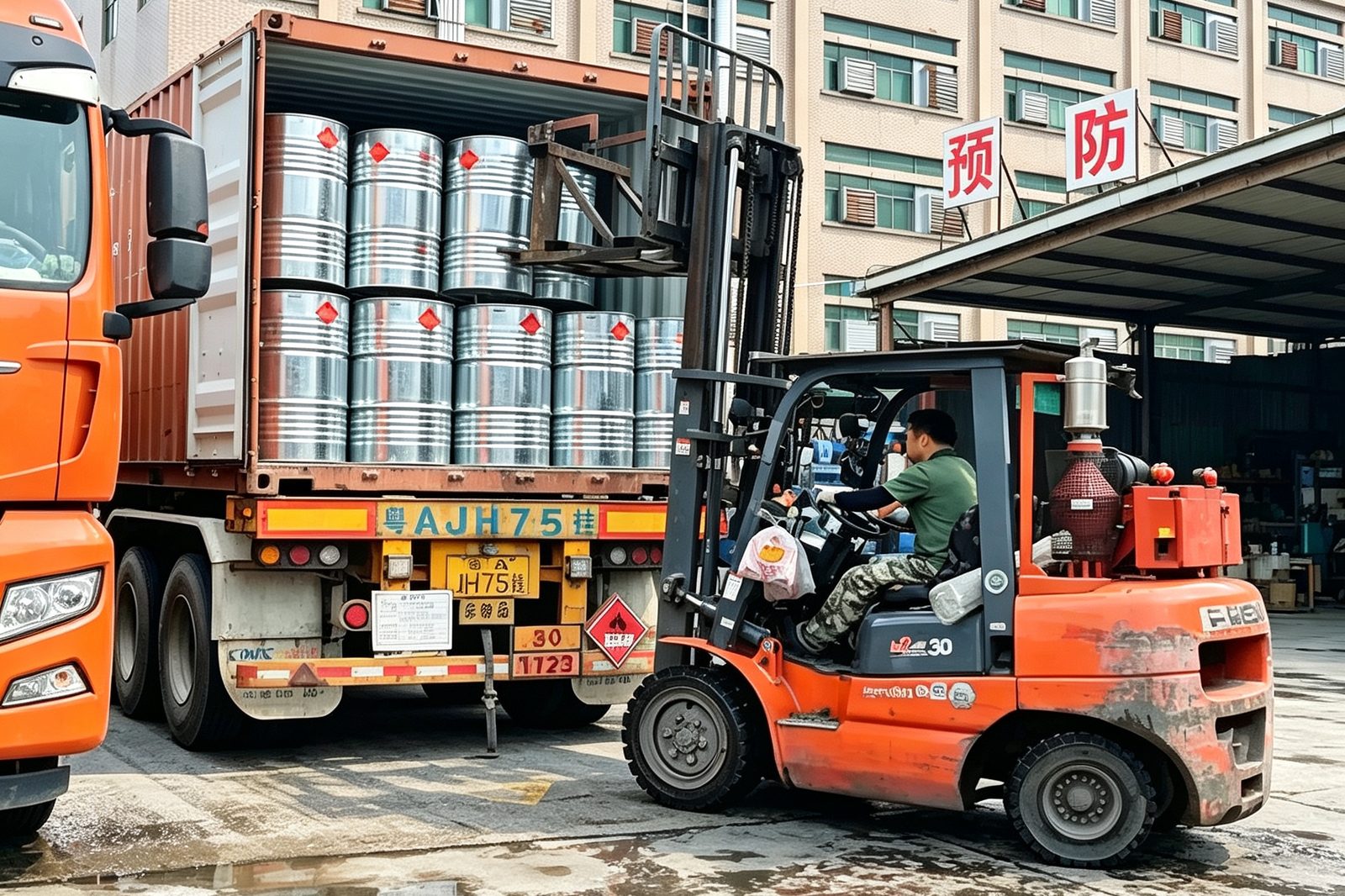
Product photo plus packaging, storage and loading conditions at our Dongguan facility.
At a Glance
| CAS No. | 109-86-4 |
| Chemical Name | Ethylene glycol monomethyl ether (2-methoxyethanol, methyl cellosolve, EM) |
| Molecular Formula | C3H8O2 |
| Purity | ≥99% |
| Origin | China |
| Packaging | 210 L steel drum (200 kg) / IBC / ISO tank container / small drum |
| Lead Time | About 60 working days after deposit |
Product Overview
Ethylene glycol monomethyl ether — also called 2-methoxyethanol or EM — is produced by high-pressure addition of ethylene oxide to methanol and purified by multi-stage fine distillation that removes light and heavy fractions and trace impurities. It is supplied in both a general industrial grade and a low-metal-ion electronic grade. Carrying a hydroxyl group and an ether bond in the same molecule, it dissolves nitrocellulose, acrylic and epoxy resins, oils and dyes very strongly, and its moderate boiling point and controllable evaporation let formulators improve levelling and adhesion. High esterification activity also makes it the core upstream raw material for ethylene glycol monomethyl ether acetate (EGMEA).
Expansion of the semiconductor and LCD panel industries continues to drive firm demand for high-purity EM, while premium industrial baking coatings and dedicated paint removers keep a stable niche. Environmental regulations on short-chain glycol ethers are tightening worldwide, yet consumption stays rigid in applications with no practical substitute, such as photolithography and advanced synthesis, and downstream derivative capacity is growing in step.
Key Advantages
Dual-Affinity Structure for Polar and Non-Polar Systems
One solvent dissolves resins, oils and water-soluble dyes at the same time, so formulas stay simple without a cocktail of co-solvents.
Moderate Evaporation for Excellent Levelling
Spray and screen printing systems get a generous open time, giving a full film free of pinholes and craters, with markedly better adhesion.
High Reactivity as a Core Synthesis Intermediate
High esterification conversion for EGMEA and glycol ether surfactants, with few by-products and lower purification costs.
Electronic Grade with Ultra-Low Metal Impurities
Na and K ion residues are strictly controlled, so photoresist dilution and wafer cleaning leave no ionic contamination and meet high-end electronics manufacturing standards.
Applications
Ethylene glycol monomethyl ether covers six distinct industrial segments: industrial baking coatings and inks, semiconductor precision cleaning, glycol ether ester synthesis, textile dyeing aids, metal paint removers and agrochemical dispersion aids.
- Industrial baking coatings and printing inks — a dedicated diluent for nitrocellulose lacquers, amino baking enamels and plastic screen inks that improves pigment dispersion, gloss and adhesion.
- Semiconductor and LCD precision cleaning — a photoresist dilution and wafer or PCB residue stripping solvent that leaves no ionic residue and does not corrode precision substrates.
- Fine chemical synthesis — the core route to ethylene glycol monomethyl ether acetate (EGMEA) and glycol ether surfactants, and a carrier for pharmaceutical and agrochemical intermediate synthesis.
- Textile and leather dyeing aids — a solubilising and penetrating agent for acid and disperse dyes that gives even colour uptake and better colour fastness.
Technical Specifications
| Appearance | Colourless liquid with a slight odour |
| Purity | ≥99% |
| Molecular Formula | C3H8O2 |
| CAS No. | 109-86-4 |
| EINECS No. | 203-713-7 |
| Relative Density (water = 1) | 0.97 |
| Flash Point | 39 °C |
| Boiling Point | 124.5 °C |
| Hazard Classification | Class 3 flammable liquid |
| Stability | Readily forms explosive peroxides on contact with air at ambient temperature; keep sealed and away from light, and never store with strong oxidisers |
| Solubility | Miscible with water, alcohols, ketones, esters and aromatics |
| Storage | Store in a cool, sealed, light-protected explosion-proof hazardous goods warehouse at ≤30 °C, fully isolated from air. Keep separate from oxidisers, acids and alkalis, with explosion-proof equipment and sand containment material on site. |
Composition
| Component | Concentration | CAS No. |
|---|---|---|
| Ethylene glycol monomethyl ether | ≥99% | 109-86-4 |
Transport & Compliance
| UN No. | UN1188 |
| Hazard Class | Class 3 flammable liquid |
| Packing Group | III |
| HS Code | 2909440010 |
| Packaging | 200 kg per drum (210 L steel drum) |
UN and HS codes are shown for reference only — please confirm with us before shipment.
FAQ
What is your minimum order quantity?
Our MOQ is one 20GP container — up to 80 drums of 210 L.
What packaging do you offer?
Standard 210 L steel drums, plus IBC totes, ISO tank containers and small drums.
How many drums fit in a 20GP or 40GP, and can you consolidate?
Yes, we consolidate up to 5 product types in one shipment. A 20GP holds up to 80 drums (210 L); a 40GP holds around 130 drums (210 L).
What is the lead time?
About 60 working days after the deposit is received.
Which export documents do you provide?
COA, MSDS, commodity inspection certificate and dangerous goods packaging certificate. We can also assist with Certificate of Origin and other customs paperwork.
What payment terms do you accept?
T/T: 30% deposit, 70% balance against a copy of the Bill of Lading.
Technical Documents
MSDS and batch COA for Ethylene Glycol Monomethyl Ether (EM) are available on request. Tell us your quantity and destination port and we will send the documents with your quotation. Request documents →
Request a Quote for Ethylene Glycol Monomethyl Ether (EM)
Send the quantity and the destination port and we will reply with a price, a packaging suggestion and a realistic shipment date. All fields marked * are required.