
n-Propyl Acetate
Well-balanced, highly versatile ester solvent for industrial baking enamels, printing inks, laminating adhesives and industrial degreasing.
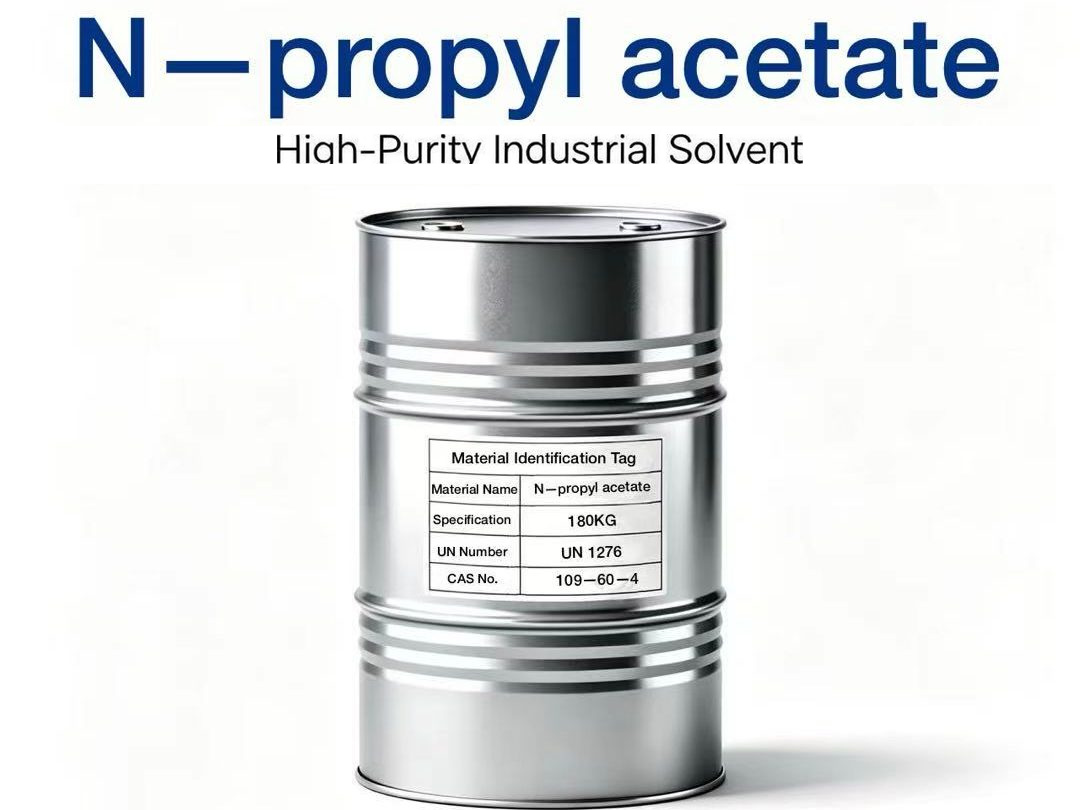
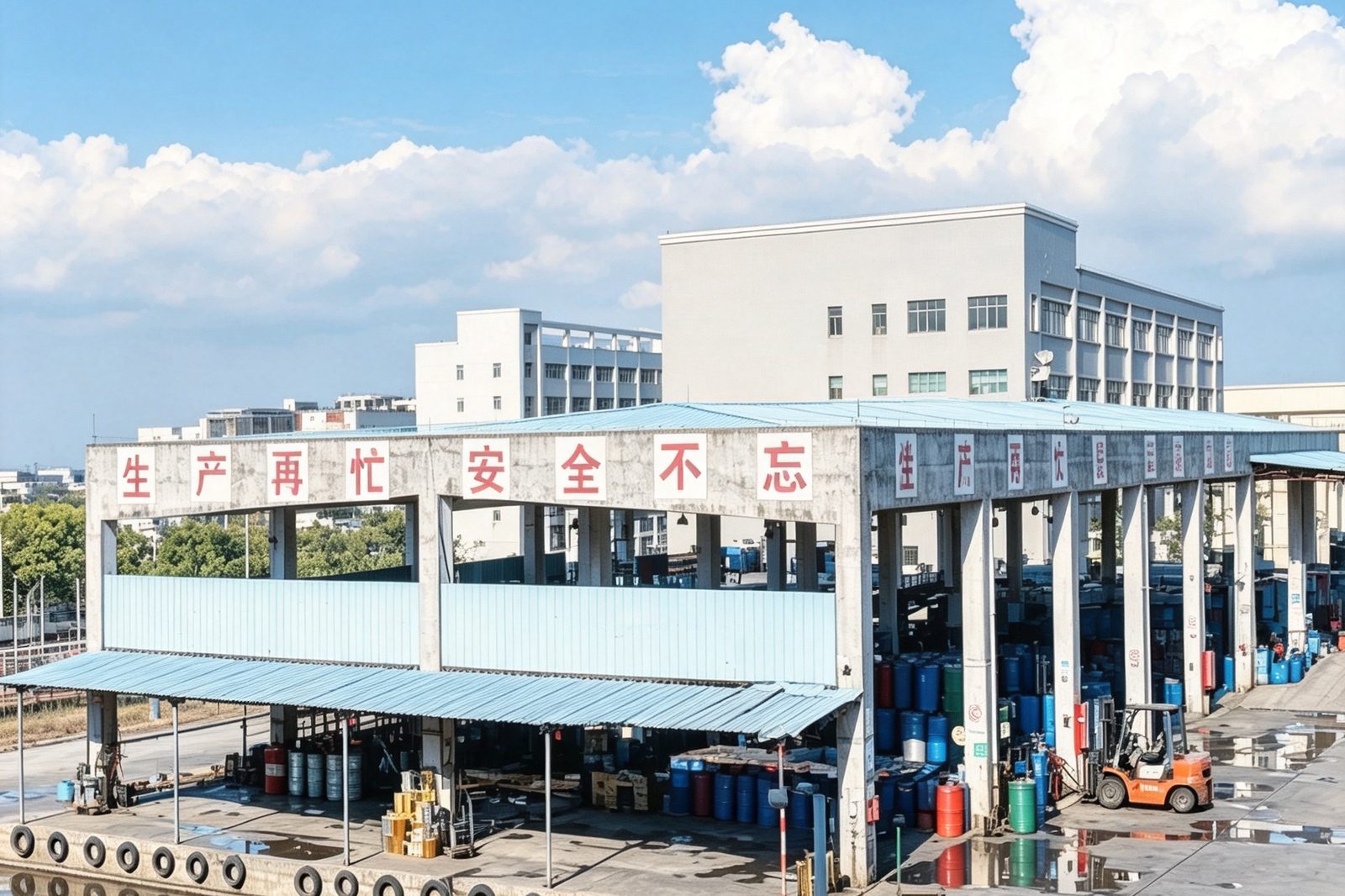
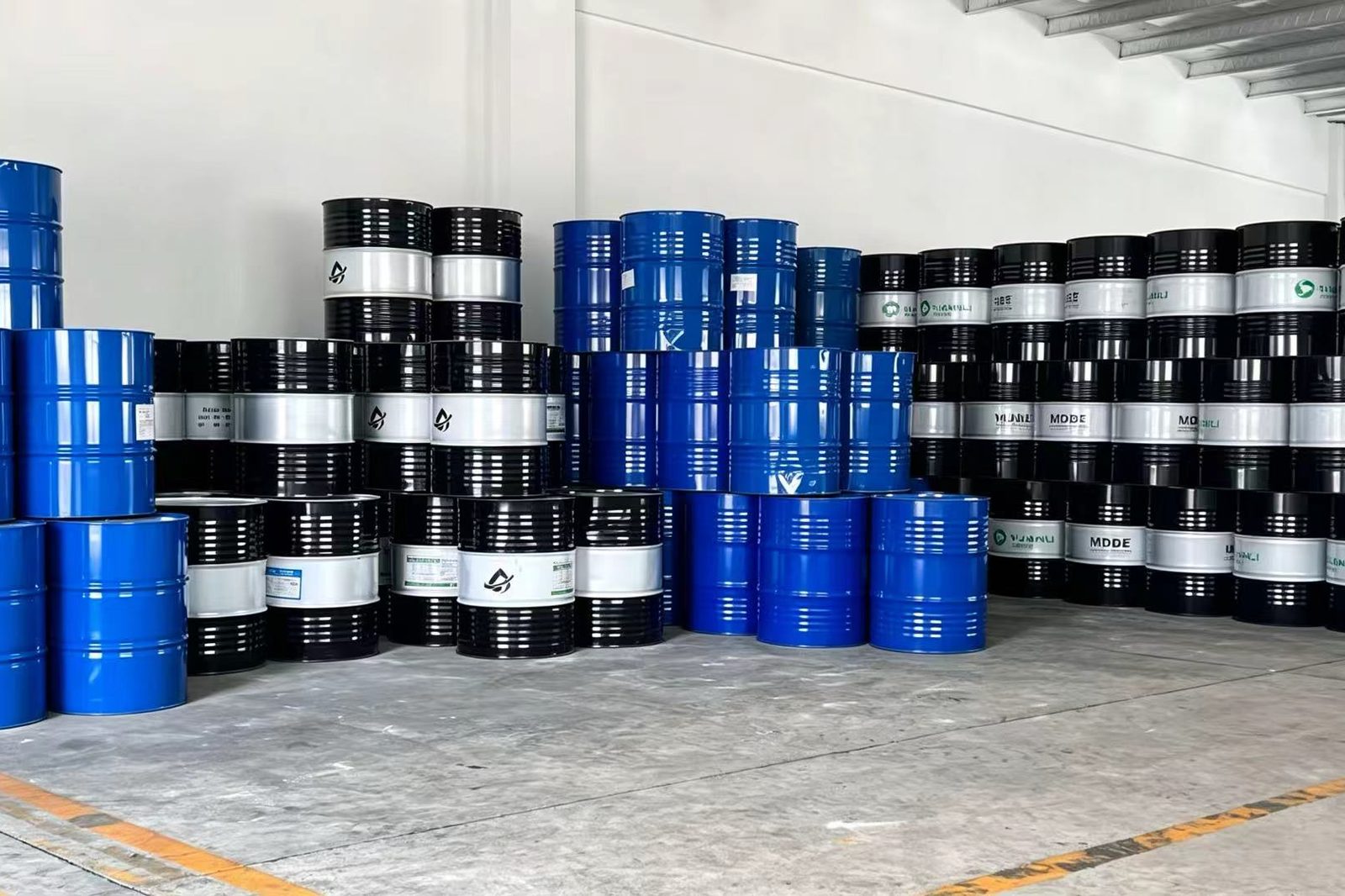
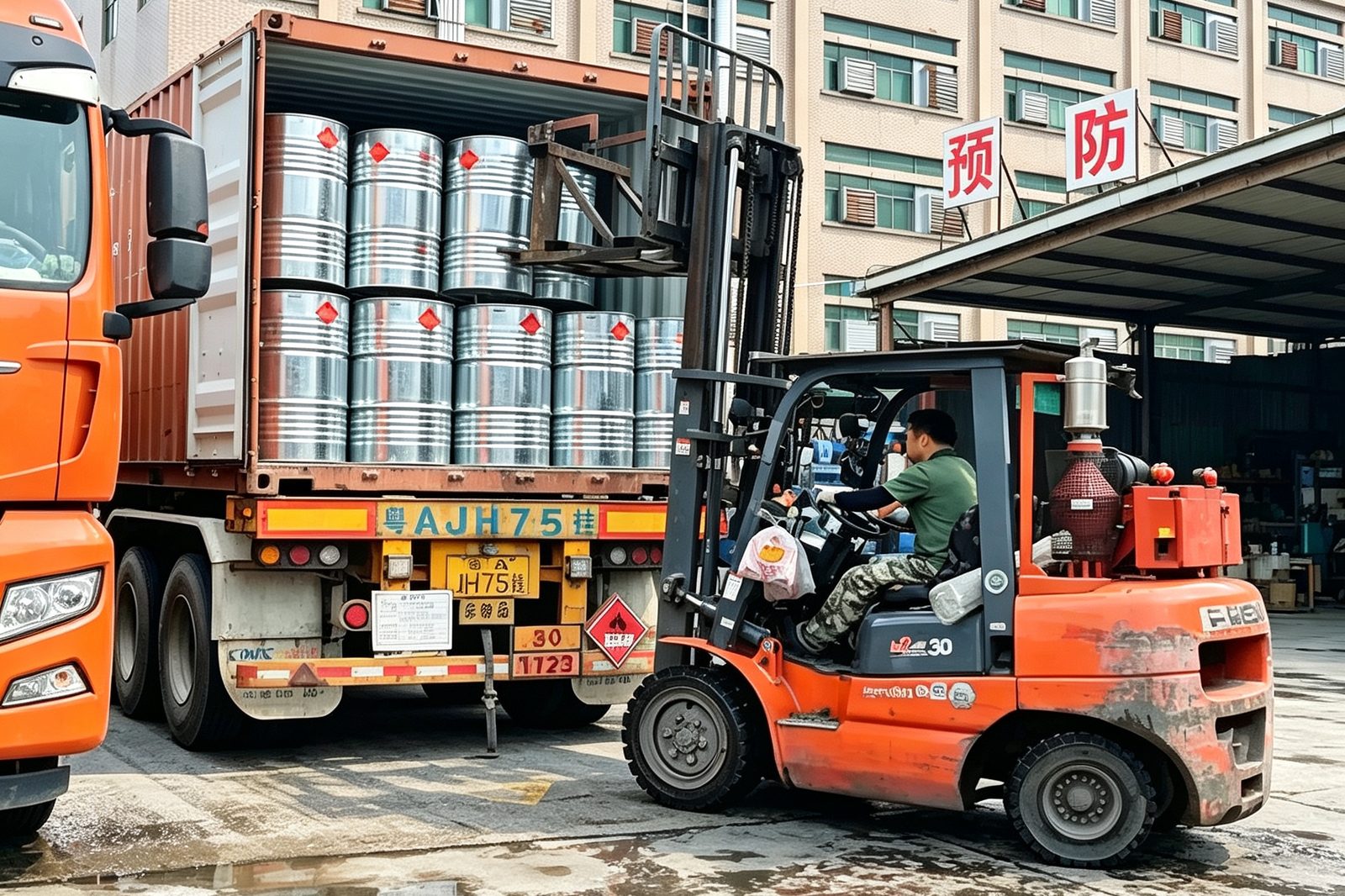
Product photo plus packaging, storage and loading conditions at our Dongguan facility.
At a Glance
| CAS No. | 109-60-4 |
| Chemical Name | n-Propyl acetate (propyl ethanoate, acetic acid n-propyl ester) |
| Molecular Formula | C5H10O2 |
| Purity | ≥99.5% |
| Origin | China |
| Packaging | 210 L steel drum (180 kg) / IBC / ISO tank / small drum |
| Lead Time | 15–20 working days after deposit |
Product Overview
n-Propyl acetate — also called propyl ethanoate, acetic acid n-propyl ester or acetic acid-n-propyl ester — is a core grade of the acetate ester family. At room temperature it is a colourless, transparent liquid with a sweet, soft fruity odour, stable physical properties and very high purity.
Its evaporation rate, solvency and polarity sit between ethyl acetate and butyl acetate, filling the performance gap the standard solvents leave, and it is miscible with alcohols, ketones, ethers and hydrocarbons as well as most other organic solvents. Low toxicity, good hydrolysis resistance, even drying and strong film formation make it a cost-effective eco-friendly replacement for acetone, ordinary ethyl acetate and isopropyl acetate. UN and HS codes are indicative and are confirmed before each shipment.
Key Advantages
Balanced Drying Speed That Fits Volume Production
Its moderate evaporation rate avoids both the blushing caused by solvents that flash off too fast and the line slowdown caused by slow solvents, giving higher yields in continuous spraying and printing.
Broad Resin Solvency at Low Formulation Cost
Excellent solvency for nitrocellulose, acrylic, alkyd and polyester resins. It works as a single-component main solvent yet tolerates blending with other solvents well, cutting trial cost in formulation development.
Low-Odour Fruity Profile, Readily Biodegradable
No sharp xylene or cyclohexanone smell and less respiratory irritation over long shifts, which suits food-packaging inks and indoor wood lacquers. High natural degradation efficiency keeps waste-liquid treatment simple and helps you meet VOC and effluent standards.
Mature, Full-Chain Export Support
Own hazardous-goods warehousing with stock on hand. Full container, LCL and tanker shipments. MSDS, COA, dangerous goods packaging certificate and commodity inspection documents are issued together, with professional logistics support for customs clearance.
Applications
n-Propyl acetate covers industrial baking enamels, printing inks, laminating adhesives, industrial degreasing, and fragrance and pharmaceutical applications.
- Industrial baking enamels — a dedicated thinner for automotive baking paints, amino baking enamels for metal parts and nitrocellulose wood topcoats. It optimises film levelling and improves gloss and weather resistance.
- Printing inks — a main solvent for food-film flexo and high-speed gravure inks, promoting even pigment dispersion and running at high press speeds without screen blocking, colour drag or set-off.
- Laminating adhesives — a blending solvent for plastic-film dry laminating adhesives and non-woven adhesives that precisely controls adhesive open time and improves film bond strength.
- Industrial degreasing — a fast cleaner for oil and release agent on plastic parts and small metal stampings. It air-dries without water marks and the waste liquid can be recovered by distillation for reuse.
Technical Specifications
| Appearance | Colourless clear liquid with a fruity odour |
| Purity | ≥99.5% |
| Molecular Formula | C5H10O2 |
| CAS No. | 109-60-4 |
| EINECS No. | 203-686-1 |
| Relative Density (water = 1) | 0.88 |
| Flash Point | 13 °C (CC) |
| Boiling Point | 101.6 °C |
| Hazard Classification | Class 3 flammable liquid |
| Stability | Stable under ambient storage with slow hydrolysis and good system compatibility |
| Solubility | Slightly soluble in water; soluble in alcohols, ketones, esters, oils and most other organic solvents |
| Storage | Store in a cool, ventilated warehouse away from ignition sources and heat. Warehouse temperature should not exceed 37 °C and containers must stay sealed. Store separately from oxidisers, acids and alkalis — never mixed. Use explosion-proof lighting and ventilation, and do not use equipment or tools that can produce sparks. The storage area must hold spill-response equipment and suitable containment material. |
Composition
| Component | Concentration | CAS No. |
|---|---|---|
| n-Propyl acetate | ≥99.5% | 109-60-4 |
Transport & Compliance
| UN No. | UN1276 |
| Hazard Class | Class 3 flammable liquid |
| Packing Group | II |
| HS Code | 2915390090 |
| Packaging | 180 kg per drum (210 L steel drum) |
UN and HS codes are shown for reference only — please confirm with us before shipment.
FAQ
What is your minimum order quantity?
Our MOQ is one 20GP container — up to 80 drums of 210 L.
What packaging do you offer?
Standard 210 L steel drums, plus IBC totes, ISO tank containers and small drums.
How many drums fit in a 20GP or 40GP, and can you consolidate?
Yes, we consolidate up to 5 product types in one shipment. A 20GP holds up to 80 drums (210 L); a 40GP holds around 130 drums (210 L).
What is the lead time?
15–20 working days after the deposit is received.
Which export documents do you provide?
COA, MSDS, commodity inspection certificate and dangerous goods packaging certificate. We can also assist with Certificate of Origin and other customs paperwork.
What payment terms do you accept?
T/T: 30% deposit, 70% balance against a copy of the Bill of Lading.
Technical Documents
MSDS and batch COA for n-Propyl Acetate are available on request. Tell us your quantity and destination port and we will send the documents with your quotation. Request documents →
Request a Quote for n-Propyl Acetate
Send the quantity and the destination port and we will reply with a price, a packaging suggestion and a realistic shipment date. All fields marked * are required.