New Energy and Precision Electronics Lift High-Purity Solvent Demand
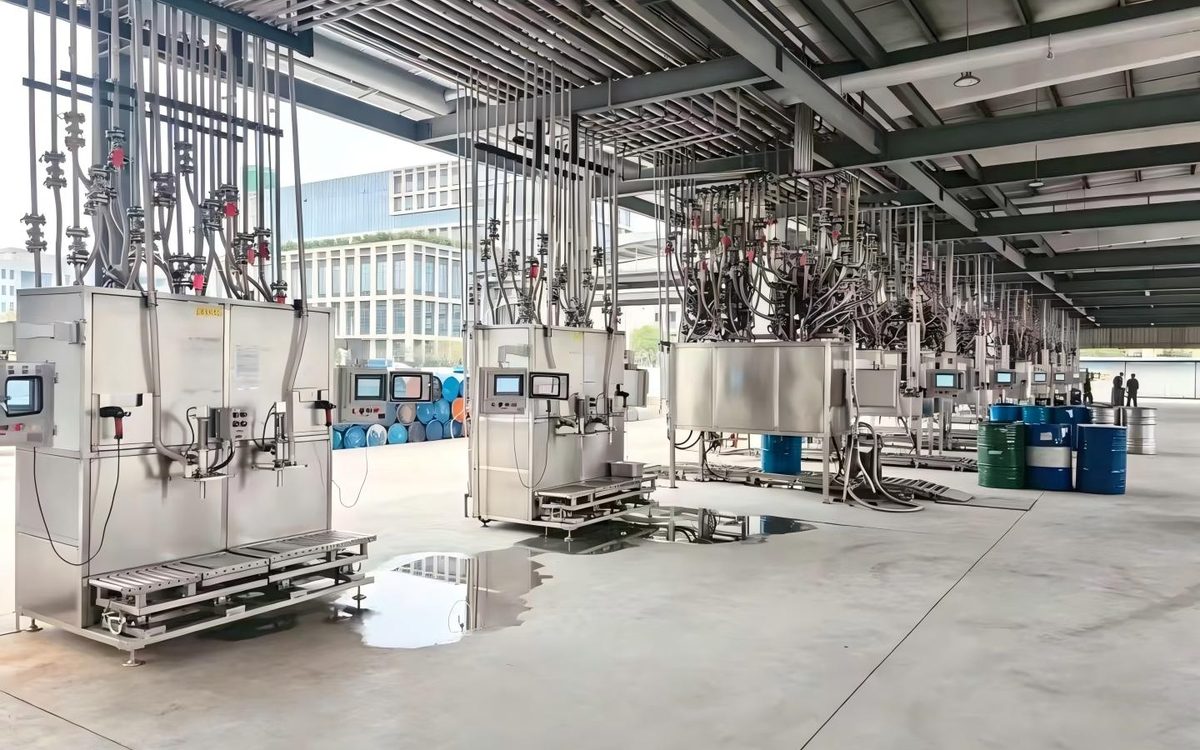
New Demand From Battery and Electronics Manufacturing
Expansion in lithium battery production and precision electronics manufacturing is creating a distinct set of requirements for the solvents used alongside them. Anhydrous ethanol, isopropyl alcohol and dimethyl carbonate are widely used in electrode slurry preparation, printed circuit board cleaning and the production of protective film adhesives. Demand for high-purity grades is rising, and the specifications requested are moving away from general industrial quality toward tighter limits on water, colour and residue.
Where These Solvents Are Used
- Anhydrous ethanol in electrode slurry preparation and related cleaning steps
- Isopropyl alcohol in electronics cleaning and degreasing
- Dimethyl carbonate in electrolyte formulation work
- Ester grades in protective film and adhesive production
Why Specification Discipline Matters Here
Need a price for this material? Tell us the grade, the quantity and the destination port — we will reply with a quotation, a packaging suggestion and the MSDS and COA. Request a quote →
Unlike conventional coatings solvents, the parameters that matter most to battery and electronics customers are water content, colour and residue levels, including heavy metal residues. These are monitored tightly because they can affect downstream yield and product reliability, and ordinary industrial grades frequently fall outside the accepted range. A supplier that can hold a high-purity specification batch after batch, and support each batch with a complete test report, is therefore easier for a new energy manufacturer to qualify and retain.
What High-Purity Supply Requires
- Raw material selection stable enough to meet low water and low residue targets
- Dedicated or thoroughly cleaned filling equipment to avoid cross contamination between grades
- Packaging that protects the product from moisture pickup during storage and transport
- Batch testing before shipment, with results issued as a COA
- Traceability from the raw material lot through to the loaded drum
Purchasing Suggestions for New Energy Buyers
New energy buyers are advised to qualify a supplier on documented capability rather than on price alone. In practice that means requesting test data for the specific grade, confirming the packing and sealing method, and checking that MSDS and COA documentation can be issued consistently for repeat batches. High-purity fine chemicals look set to become an important growth segment for chemical exporters, and relationships in this segment are usually built over several trial batches rather than a single transaction.
Related Reading
Industry News
Stricter Dangerous Goods Export Checks Put Documentation in Focus
Customs authorities in key import markets are checking dangerous goods documents more closely. Consistent MSDS, COA and packaging certificates help avoid port delays.
2026-07-20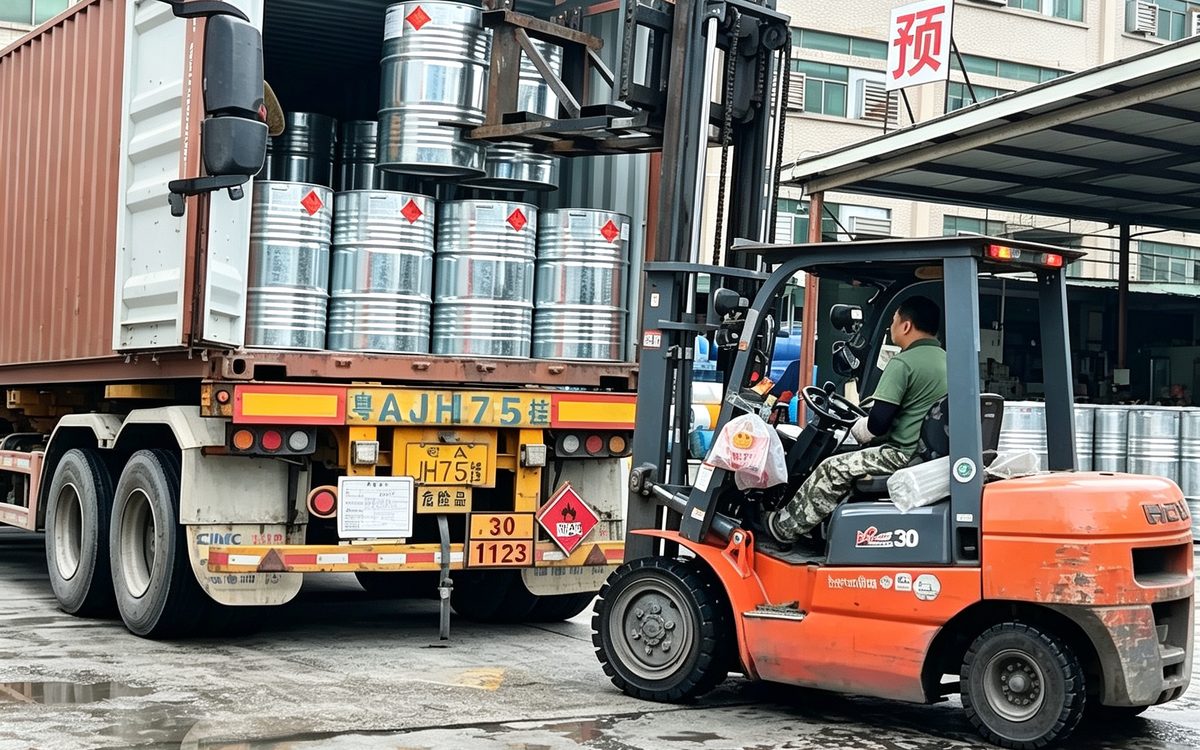
Industry News
Coatings and Ink Capacity Growth Revives Overseas Solvent Demand
Coatings and printing ink capacity is expanding in Southeast Asia and the Middle East, lifting enquiry volumes for aromatic and acetate solvents across the region.
2026-07-12
Industry News
Volatile Ocean Freight: Why Chemical Exporters Should Book Early
Dangerous goods space tightens through the export peak season. Orders placed 15 to 30 days ahead give production, documentation and booking room to work.
2026-06-28