
Volatile Ocean Freight: Why Chemical Exporters Should Book Early
Why Booking Is Tighter From Mid-Year Onward
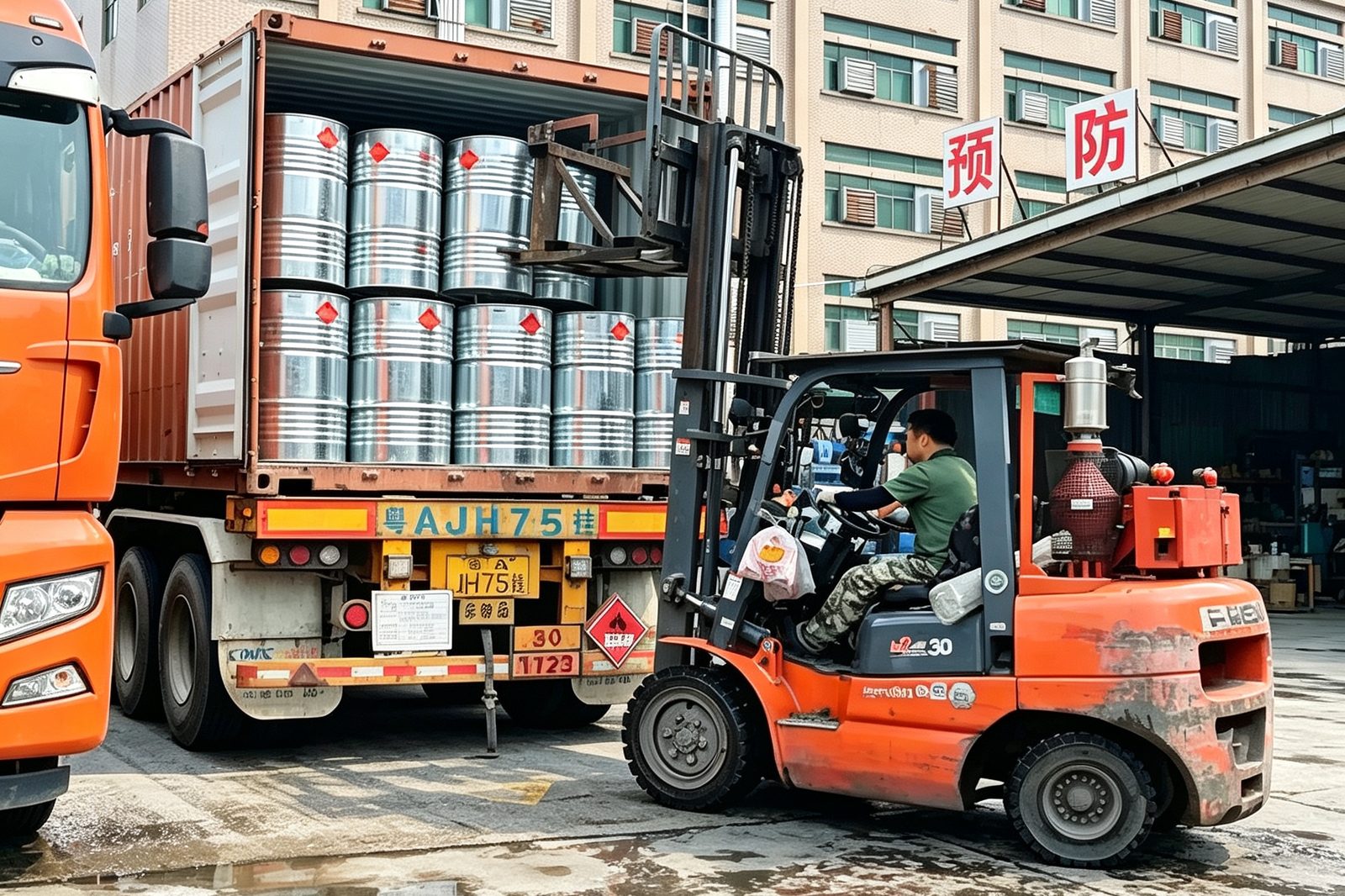
The period from mid-year through the second half is the peak season for chemical exports, and space for dangerous goods is the first resource to tighten. Ocean freight rates move frequently during this window, and the gap between a quotation and the eventual booking price can widen quickly. Chemical cargo is affected earlier than general cargo, because hazardous shipments depend on a smaller pool of suitable slots, equipment and qualified handling.
Why Dangerous Goods Booking Takes Longer
- Shipping documents are reviewed before the booking is confirmed, including MSDS, COA and the relevant certificates
- A qualified forwarder must be engaged, since not every forwarder accepts hazardous cargo
- Container and equipment arrangements have to be matched to the packing group and drum type
- Trucking and port declaration are scheduled once the document review is complete
- Cut-off times for hazardous cargo are usually earlier than for general cargo
Because these steps run in sequence, an urgent order placed close to the sailing date has very little room to absorb a delay. When space is full, the shipment simply moves to a later vessel, and the delivery date agreed with the end customer is missed.
Need a price for this material? Tell us the grade, the quantity and the destination port — we will reply with a quotation, a packaging suggestion and the MSDS and COA. Request a quote →
Lead Times to Plan For
- 15 to 30 days of advance planning for production scheduling and booking during the peak season
- Additional time for document review where the destination requires specific certificates
- Buffer time before the port cut-off, since hazardous cargo deadlines fall earlier
A Practical Schedule for Peak Season
- Confirm specification, packing size and quantity with the supplier as early as possible
- Place the purchase order with enough lead time for production
- Let the supplier prepare the full export document set in parallel with production
- Book through forwarders qualified for hazardous cargo once the production date is fixed
- Keep a buffer before the vessel cut-off and avoid last-minute changes to shipping marks
What a Reliable Supply Partner Should Handle
Suppliers with established hazardous goods warehousing and export experience are usually able to secure space earlier and to flag documentation problems before they turn into port delays. For overseas buyers, the most effective protection against peak-season disruption is a purchase plan agreed in advance, with specification, packing and documentation requirements settled before production begins.
Related Reading
Industry News
Stricter Dangerous Goods Export Checks Put Documentation in Focus
Customs authorities in key import markets are checking dangerous goods documents more closely. Consistent MSDS, COA and packaging certificates help avoid port delays.
2026-07-20
Industry News
Coatings and Ink Capacity Growth Revives Overseas Solvent Demand
Coatings and printing ink capacity is expanding in Southeast Asia and the Middle East, lifting enquiry volumes for aromatic and acetate solvents across the region.
2026-07-12
Industry News
New Energy and Precision Electronics Lift High-Purity Solvent Demand
Battery and precision electronics manufacturing is pushing demand toward low-water, low-residue solvent grades, where batch documentation matters as much as price.
2026-07-05