Cyclohexanone in Automotive and Anti-Corrosion Coatings: A Guide
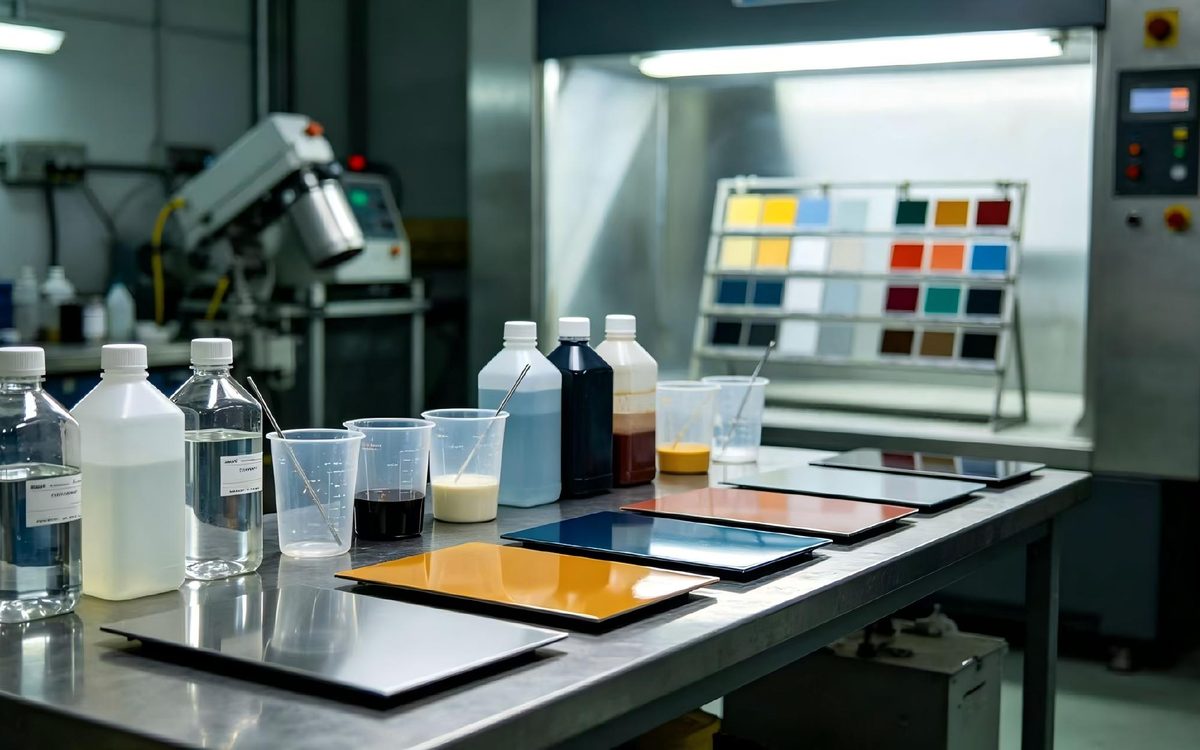
Cyclohexanone (CAS 108-94-1) is a high-boiling cyclic ketone with unusually strong solvency, and it sits at the centre of two very different supply chains: nylon monomer production and industrial coatings. For coating manufacturers the interest is practical, because its higher boiling point slows evaporation and extends the time a film has to level before it sets, which is exactly what automotive and anti-corrosion systems need.
The Function of Cyclohexanone in Automotive and Anti-Corrosion Coatings
In baking enamels, automotive refinish systems and heavy-duty anti-corrosion coatings, cyclohexanone acts as the high-boiling component of the solvent blend. It dissolves epoxy, polyurethane and nitrocellulose resins efficiently, helps the resin disperse evenly, and keeps the film open long enough for orange peel, pinholes and craters to be avoided. Because it is normally blended with faster esters and hydrocarbons rather than used alone, the buyer's main concern is how consistently it behaves inside that blend.
Five Points to Review Before Ordering Cyclohexanone
- Purity and the control of light and heavy ends
- Water content, which affects cure and film formation
- Boiling range and evaporation behaviour within the solvent blend
- Solvency and resin compatibility, confirmed by a small trial
- Packaging, labelling and transport documentation
1. Purity and Impurity Control
Purity determines how much of the delivered material does useful work and how much is a passenger. Raised levels of light or heavy ends distort the evaporation profile, while reactive impurities can cause colour drift in the finished film or unwanted side reactions in the blend. A specification built around a minimum purity of 99.5% with defined limits on distillation fractions gives a buyer something concrete to compare and to hold a supplier to.
2. Water Content
Need a price for this material? Tell us the grade, the quantity and the destination port — we will reply with a quotation, a packaging suggestion and the MSDS and COA. Request a quote →
Water in a high-boiling solvent is easy to overlook and expensive to discover. In polyurethane and moisture-cured systems it consumes isocyanate and disturbs the cure balance, appearing later as softness, hazing or poor adhesion; in baking systems it can affect film formation and surface quality. Ask what limit applies to the delivered product and how moisture is excluded during storage and filling.
3. Boiling Range and Evaporation Behaviour
The reason to buy cyclohexanone is its position in the evaporation gradient, so the boiling range is a functional property rather than a footnote. If that range shifts between deliveries, the drying curve of the whole coating shifts with it and the shop has to compensate. Buyers running continuous or high-volume lines should confirm how the range is controlled and whether it is reported batch by batch.
4. Solvency and Resin Compatibility
Solvency figures describe a material in general terms; compatibility describes how it behaves in your formulation. Different resin systems respond differently to the same ketone, and the interaction with pigments and additives cannot be predicted from a specification sheet. A small sample trial against your existing formulation is the cheapest test available and the one most likely to prevent a rejected container.
5. Packaging and Transport Documentation
Settle the classification of the shipment before it leaves. Confirm with the supplier how the grade is classified for transport, and that the packaging, labelling, safety data sheet and transport documents all agree with that classification and with the destination country's requirements. Standard packaging for this product is a 210 L steel drum, with IBC totes and ISO tank containers for larger volumes, and the choice is best made before the booking.
Cyclohexanone is best treated as one element of a solvent blend rather than a standalone purchase. The specification, packaging and export details for our cyclohexanone are listed on the product page.
Related Reading
Product News
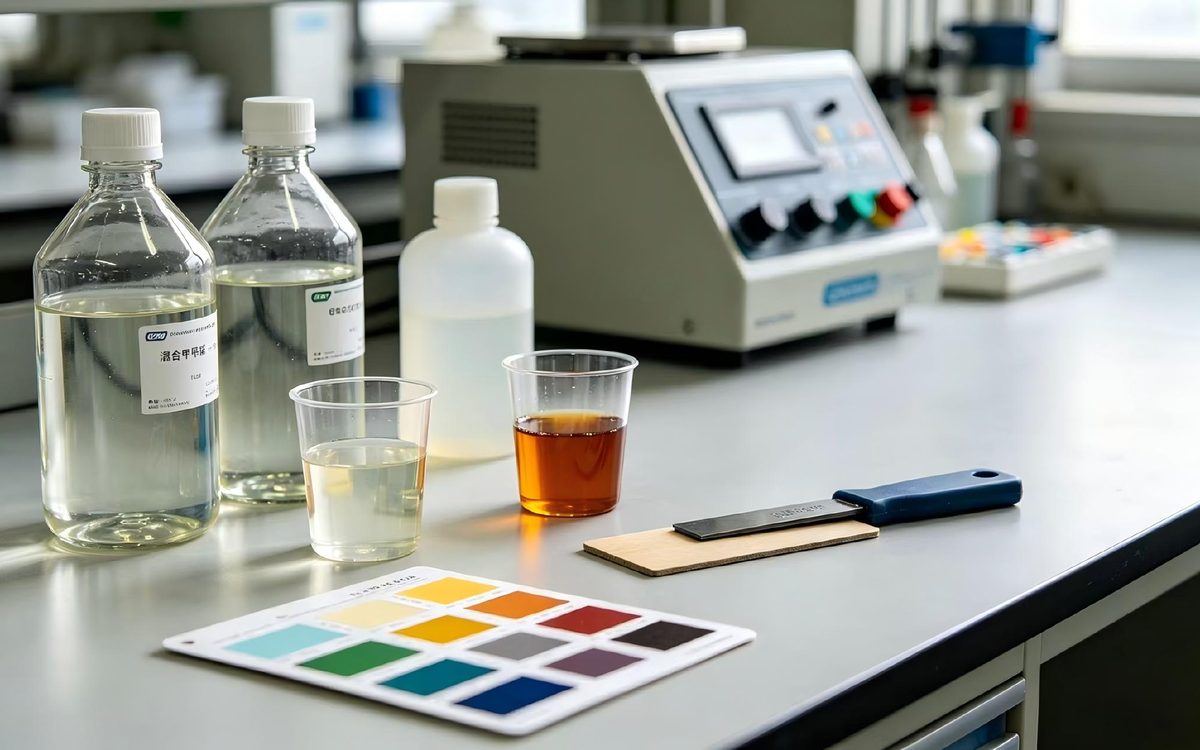
Mixed Xylene in Coating and Ink Formulations: What Buyers Check
Mixed xylene does more than thin a coating: it sets resin solubility, application viscosity and the drying profile of the film. Here is how purchasing teams separate a stable supply from a variable one.
2026-07-21
Product News
Why Ethyl Acetate Dominates Coatings and Inks: A Buyer's Guide
Ethyl acetate pairs fast evaporation with strong solvency and a mild odour, which is why it sits in so many coating, ink and adhesive formulations. Buyers should judge suppliers on repeatability, not on headline purity alone.
2026-07-15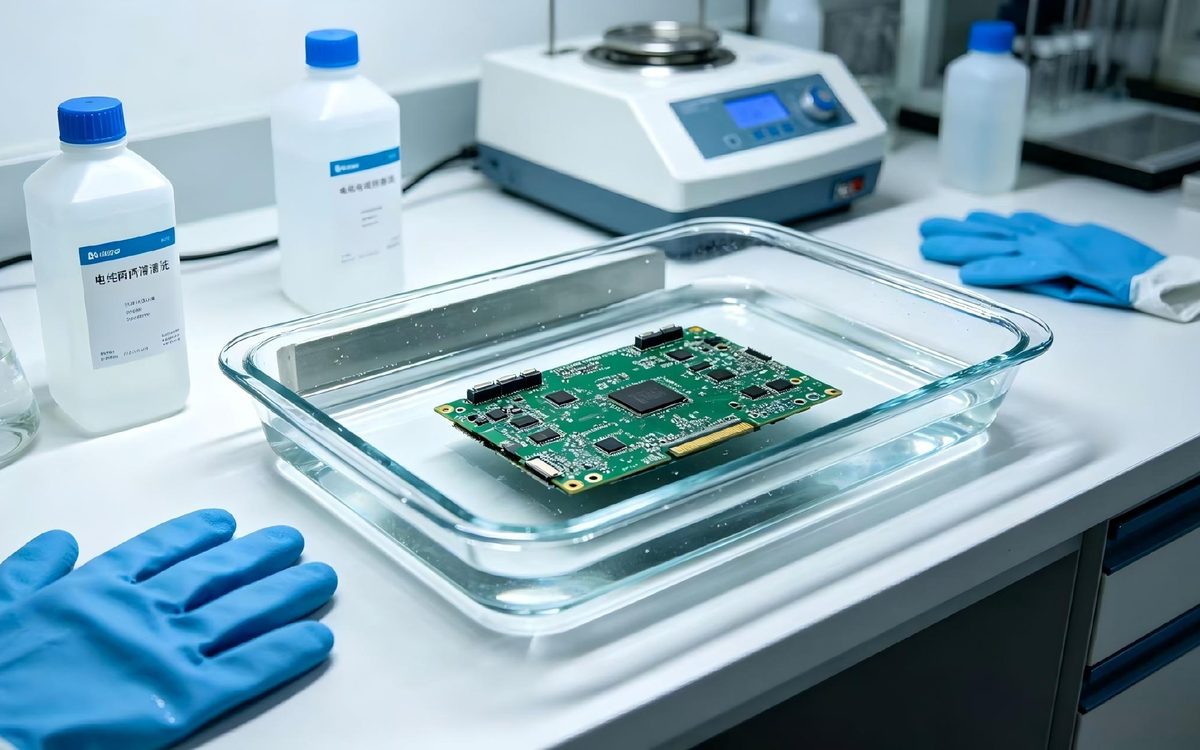
Product News
High-Purity IPA for Electronics and Pharma: A Sourcing Guide
In electronics cleaning and pharmaceutical processing the grade of isopropyl alcohol matters as much as the chemistry. These are the checks that separate a dependable high-purity supply from a variable one.
2026-07-02