Why Ethyl Acetate Dominates Coatings and Inks: A Buyer’s Guide

Ethyl acetate (CAS 141-78-6) is a fast-evaporating ester solvent used across coatings, printing inks, industrial adhesives, pharmaceutical processing and precision cleaning. It dissolves resins quickly, drops system viscosity and lets a film or ink layer reach a touch-dry state sooner than a slower solvent would. For a formulator that buys line speed; for a buyer it raises a different question, namely whether the next container will behave like the last.
The Role Ethyl Acetate Plays in a Coating or Ink
In a coating, ethyl acetate shapes the early part of the drying curve. It lowers viscosity so the product sprays or brushes at the intended solids content and helps the film level out before the binder sets. Inks use it for much the same reasons: it adjusts how the ink wets and transfers across different substrates, then releases quickly so the web can be handled. It is equally common as a diluent in adhesives and as a cleaning medium where fast, residue-free evaporation is wanted. Because it flashes off quickly, its value depends on consistency.
Five Criteria for Evaluating an Ethyl Acetate Supplier
- Evaporation behaviour and how tightly it is held from batch to batch
- Solvency performance in your own resin system, tested rather than assumed
- Colour, clarity and odour as indicators of refining quality
- Water and acidity control, which govern hydrolysis risk in storage
- Sample testing, small trial orders and container consolidation
1. Evaporation Behaviour
Drying time is a production parameter, not a laboratory curiosity. If the solvent arrives slightly faster or slower than the previous delivery, spray booths and presses have to be re-tuned, and that adjustment usually costs more than the price difference a buyer negotiated. Ask what range the supplier holds and whether evaporation is treated as a controlled specification.
2. Solvency in Your Own Formulation
Need a price for this material? Tell us the grade, the quantity and the destination port — we will reply with a quotation, a packaging suggestion and the MSDS and COA. Request a quote →
Ethyl acetate dissolves a wide range of resins, but the practical question is how it behaves in the specific binder, pigment and additive combination you run. A sample tested in your own formulation is worth more than a generic compatibility statement. Suppliers who support trial batches make this easy; suppliers who only forward a specification sheet leave the risk with the buyer.
3. Colour, Clarity and Odour
Refining quality shows up in appearance. A clear, colourless liquid with a clean, mild ester odour usually indicates a well-controlled distillation, while haze, colour or a heavier odour points to impurities that can affect colour stability in the finished ink or coating. Compare batches against each other and against a retained reference rather than relying on a single sample.
4. Water and Acidity Control
Esters hydrolyse in the presence of water, and the reaction is accelerated by acid. Residual water or free acidity in the delivered solvent shortens storage life and can disturb sensitive resin systems, appearing as gelling, blushing or incomplete film formation. Ask what limits the supplier holds and whether those values appear on the batch certificate rather than only on request.
5. Sample Testing and Shipping Flexibility
With a new supplier, willingness to support a trial is often the clearest signal of how the account will be handled later. Sample availability, the ability to combine several products into one shipment and experience with both full-container and smaller consolidated loads all reduce the cost of switching. A supplier who works only in full containers narrows a buyer's options before the first order is placed.
Ethyl acetate remains popular because it balances solvency, drying speed and cost across a wide range of formulations. The specification, packaging options and export data for our ethyl acetate are listed on the product page.
Related Reading
Product News
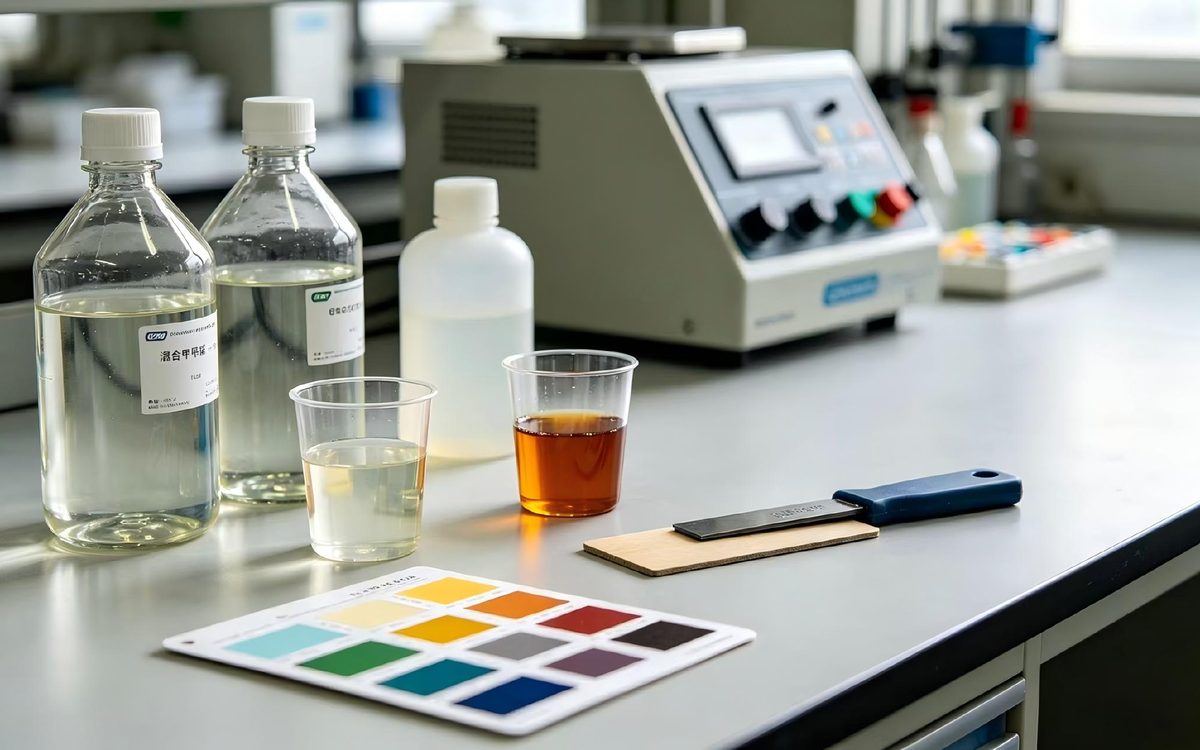
Mixed Xylene in Coating and Ink Formulations: What Buyers Check
Mixed xylene does more than thin a coating: it sets resin solubility, application viscosity and the drying profile of the film. Here is how purchasing teams separate a stable supply from a variable one.
2026-07-21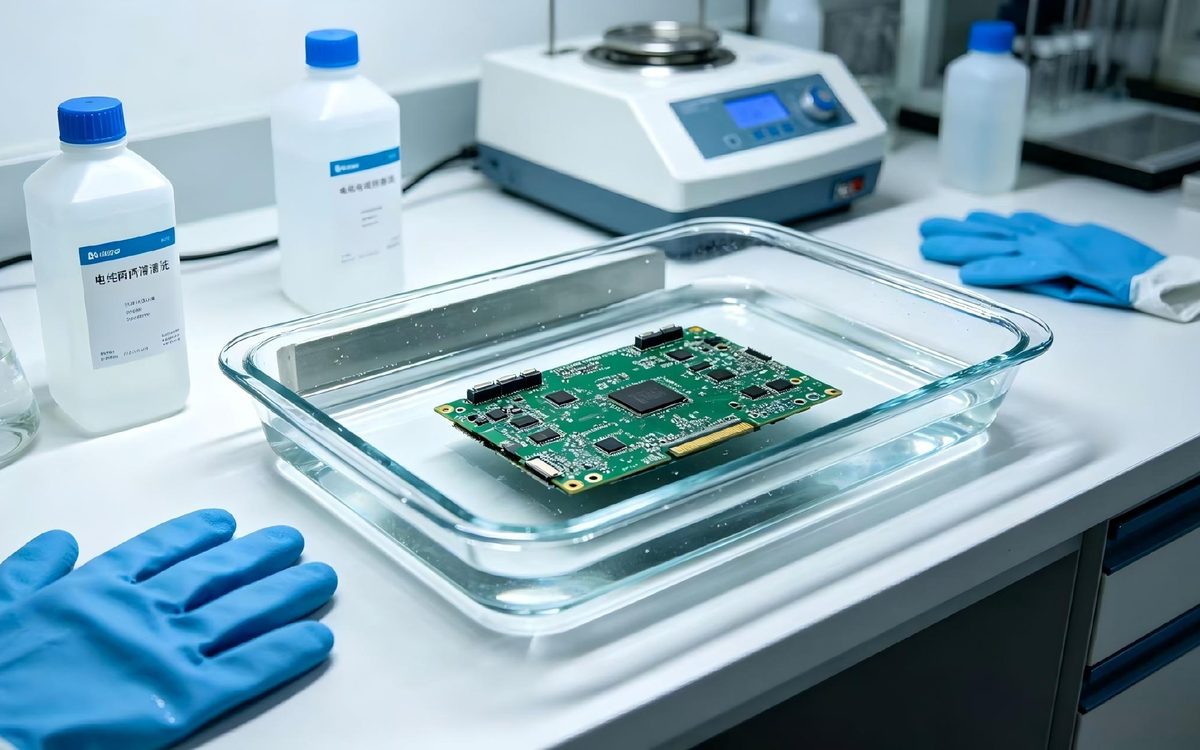
Product News
High-Purity IPA for Electronics and Pharma: A Sourcing Guide
In electronics cleaning and pharmaceutical processing the grade of isopropyl alcohol matters as much as the chemistry. These are the checks that separate a dependable high-purity supply from a variable one.
2026-07-02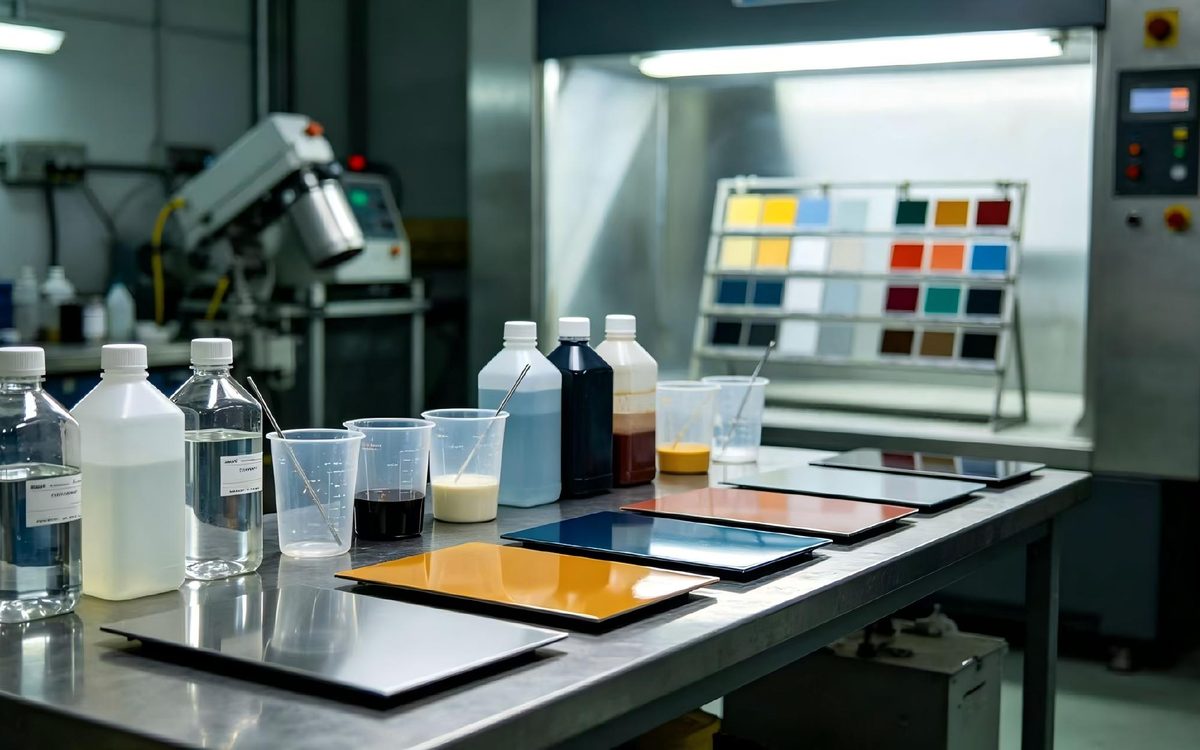
Product News
Cyclohexanone in Automotive and Anti-Corrosion Coatings: A Guide
Cyclohexanone's high boiling point and strong solvency make it a favoured co-solvent in automotive and anti-corrosion coatings. Here is how to evaluate a supplier for repeat production.
2026-06-28